

The Role of AR/VR in Enhancing Mental Health Therapy
Introduction
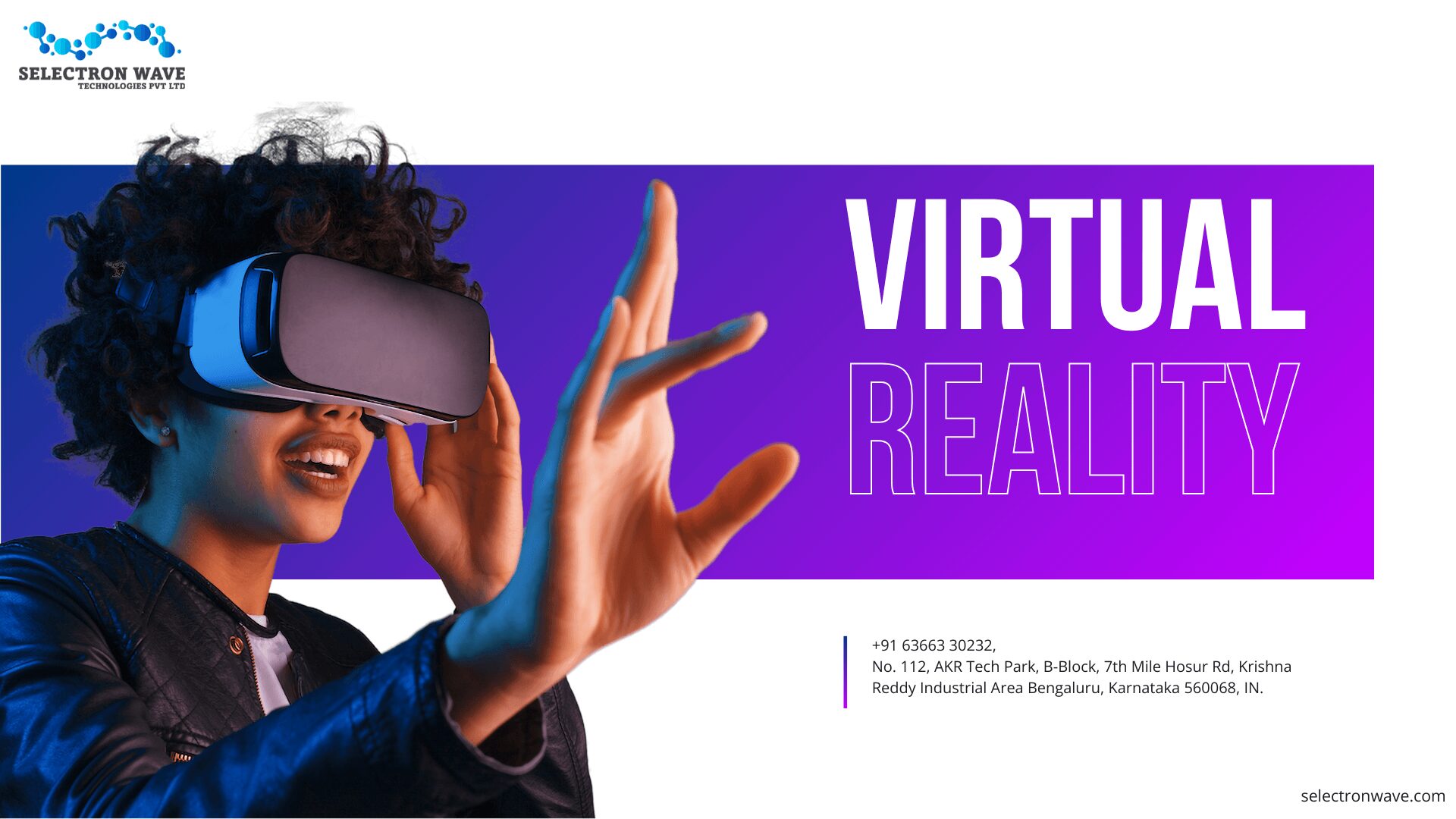
Mental health care is changing fast. Today, many experts use AR VR in mental health therapy to improve treatment.
In simple terms, Augmented Reality (AR) adds digital elements to the real world. On the other hand, Virtual Reality (VR) creates a fully digital environment. Because of this, patients can experience situations in a safe and controlled way.
As a result, therapists can provide better care. Moreover, patients feel more comfortable during sessions.
What is AR VR in Mental Health Therapy?
AR and VR help therapists create interactive experiences. For example, VR can simulate real-life situations. Meanwhile, AR enhances the real world with helpful visuals.
Because of these features, therapists can guide patients step by step. In addition, patients can practice coping techniques in real time.
Therefore, AR VR in mental health therapy improves both learning and recovery.
Benefits of AR VR in Mental Health Therapy
Safe Exposure Therapy
First of all, VR allows safe exposure to fears. For instance, a person afraid of heights can experience it virtually. As a result, they can slowly overcome their fear.
Better Engagement
In traditional therapy, some patients lose focus. However, AR and VR make sessions more interactive. Because of this, patients stay engaged for longer periods.
Personalized Treatment
Every patient is different. Therefore, therapists can customize VR environments based on individual needs. This leads to better results.
Stress and Anxiety Reduction
Most importantly, immersive environments help patients relax. For example, calming VR scenes reduce stress quickly. In the same way, guided sessions improve emotional control.
Use Cases of AR VR in Mental Health Therapy
Anxiety Disorders
AR and VR help patients face triggers gradually. As a result, they gain confidence over time.
PTSD Treatment
VR allows patients to revisit memories safely. Then, therapists guide them through the healing process. Because of this, recovery becomes more effective.
Depression Management
AR apps encourage positive habits. For example, they promote mindfulness and daily routines. Therefore, patients feel more motivated.
Phobia Treatment
Whether it is fear of flying or social anxiety, VR helps step by step. In other words, patients improve without real-world risk.
Challenges of AR VR in Mental Health Therapy
However, this technology still has some challenges. First, the cost can be high. Because of this, not everyone can access it.
In addition, some users feel discomfort during VR sessions. For example, they may experience dizziness.
Even so, technology is improving quickly. Therefore, these problems will likely reduce in the future.
Future of AR VR in Mental Health Therapy
Looking ahead, the future is promising. As technology becomes affordable, more clinics will adopt it.
Moreover, AI integration will improve results further. Because of this, therapy will become smarter and faster.
In the long run, AR VR in mental health therapy may become a standard solution.
Conclusion
In conclusion, AR VR in mental health therapy is changing healthcare. It offers safe, engaging, and effective treatment options.
Most importantly, it helps patients recover in a better way. Therefore, it will play a key role in the future of mental health care.
4. Improving Patient Engagement and Motivation
One of the challenges in mental health therapy is keeping patients engaged and motivated throughout their treatment. AR/VR can make therapy more engaging by adding an element of interactivity and novelty to the sessions. The immersive nature of these technologies can make therapy feel less like a clinical intervention and more like an interactive experience.
Patients are more likely to stay engaged when they are actively participating in their therapy, whether it’s through navigating a virtual world or interacting with augmented reality objects. This increased engagement can lead to better adherence to treatment plans and improved outcomes.
5. Remote Therapy and Accessibility
With the rise of telehealth, remote therapy has become an essential service, especially in the wake of the COVID-19 pandemic. AR/VR can take remote therapy to the next level by providing immersive, interactive experiences that can be accessed from anywhere.
Patients who may not have access to traditional therapy due to geographical or financial constraints can benefit from VR-based therapy sessions at home. This accessibility can help bridge the gap in mental health care, providing effective treatment options to a broader population.
Conclusion
The integration of AR/VR into mental health therapy marks a significant leap forward in the field, offering new and innovative ways to treat mental health conditions. From immersive exposure therapy to enhancing CBT, mindfulness practices, and improving patient engagement, AR/VR technologies have the potential to revolutionize the way mental health therapy is delivered. As these technologies continue to evolve, they will likely become an increasingly important tool in the mental health professional’s toolkit, offering hope and healing to those in need.
Are you interested in learning more about Hyperledger?
Get in touch with us today.