
Introduction to Digital Art and Animation
Introduction
Digital art and animation are important parts of modern digital media. Today, companies, designers, and developers use these technologies to create engaging visual content. Digital tools make it easier to design graphics, illustrations, and animated visuals.
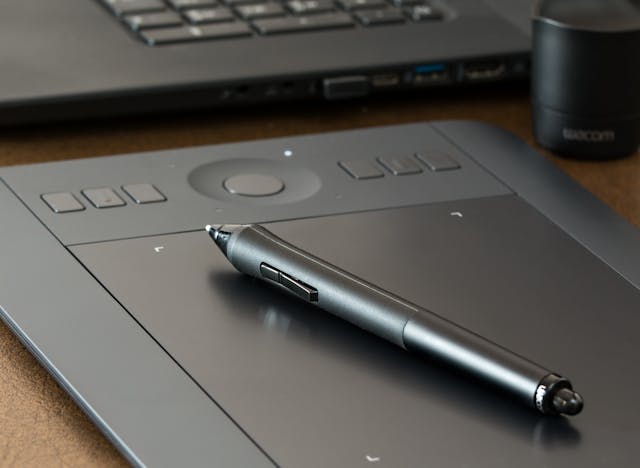
Digital art refers to artwork that artists create using computers and design software. Artists use tools like drawing tablets and graphic applications to produce creative images. Because of this, digital art has become popular in many industries.
Animation adds movement to digital visuals. Designers create motion by showing many images in sequence. As a result, viewers see smooth and realistic movement. Animation helps bring ideas, characters, and stories to life.
Understanding Digital Art
Digital art allows artists to design visuals using modern technology. Designers create illustrations, graphics, and visual effects with digital tools.
For example, companies use digital art for websites, mobile apps, and marketing materials. Designers can easily edit colors, shapes, and layouts. Therefore, digital art provides flexibility and efficiency.
In addition, digital artists create concept designs, UI graphics, and promotional visuals. These elements help brands communicate their message clearly.
What is Animation?
Animation creates the illusion of motion. Designers combine many images to produce movement on screen.
There are different types of animation used today.
First, 2D animation appears in cartoons and explainer videos.
Second, 3D animation appears in movies, games, and simulations.
Many businesses also use motion graphics in advertisements and presentations. Motion graphics help explain complex ideas in a simple and visual way.
Why Digital Art and Animation Matter
Digital art and animation help businesses communicate ideas visually. They make digital content more attractive and engaging.
For example, companies use animated videos to explain products and services. Educational platforms also use animations to improve learning experiences.
Furthermore, industries like gaming, film production, and advertising depend on digital artists and animators. These professionals create characters, visual effects, and digital environments.
Future of Digital Art and Animation
Technology continues to improve digital creativity. New tools help artists design more realistic and immersive visuals.
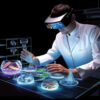
Technologies like augmented reality, virtual reality, and spatial computing also expand the possibilities of digital art. Designers can now create interactive and immersive experiences.
Because of these innovations, digital art and animation will play an even bigger role in the future of digital communication.
Conclusion
Digital art and animation combine creativity with technology. They help designers create powerful visual stories and interactive experiences. As technology grows, these fields will continue to shape modern digital media.