
Top Everyday Applications of Hologram Technology
Introduction
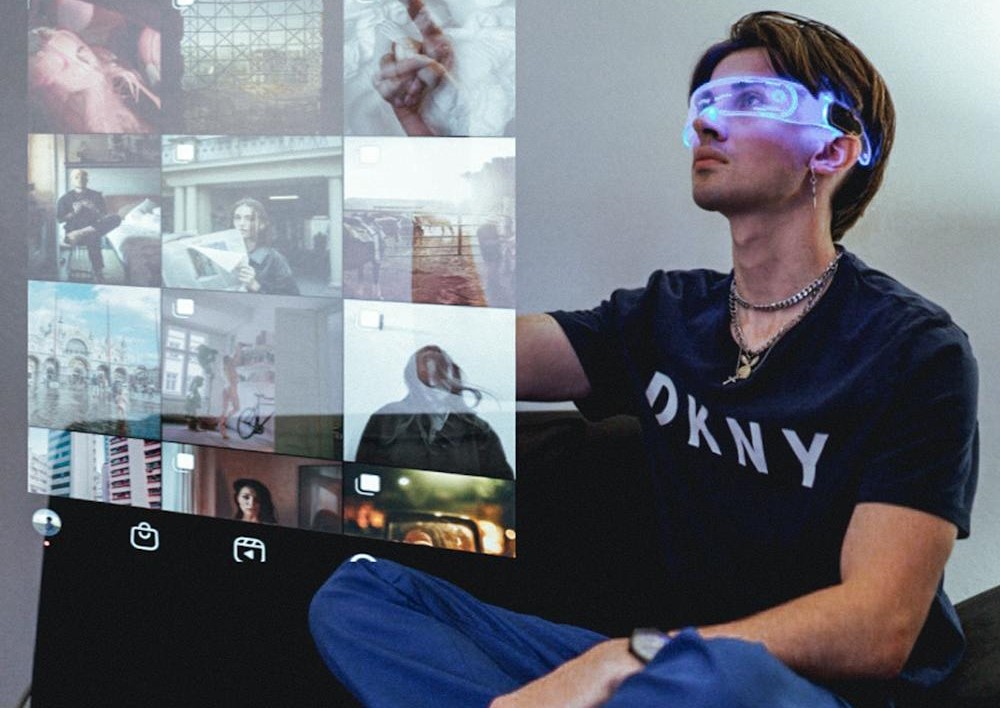
The applications of hologram technology are growing in many industries. Holograms create three-dimensional images that appear in real space.
Unlike traditional displays, holographic visuals show depth and movement. As a result, users can view digital objects from different angles.
Today, hologram technology is used in education, healthcare, retail, and entertainment. Therefore, it is becoming an important tool for modern digital experiences.
What Is Hologram Technology?
Hologram technology uses light projection and advanced imaging systems to create 3D visuals. These visuals appear to float in space without a physical screen.
For example, holographic displays can show products, data, or digital characters. Because of this ability, holograms make digital content easier to understand.
Consequently, many organizations are exploring this technology.
Everyday Applications of Hologram Technology
Education and Learning
Schools and universities use holographic visuals for interactive learning. For instance, teachers can display 3D models of planets or human organs.
As a result, students understand complex topics more easily.
Healthcare and Medical Visualization
Doctors use holographic imaging to study medical data. These visuals help them analyze body structures and treatment plans.
Therefore, medical training and diagnosis become more effective.
Retail and Product Displays
Retail stores use holograms to display products in a unique way. Customers can view 3D models of items before purchasing them.
Because of this, shopping experiences become more engaging.
Entertainment and Live Events
Holograms are also popular in concerts and live performances. Artists can appear as holographic projections on stage.
Consequently, audiences enjoy a creative and immersive visual experience.
Business Presentations
Companies use holographic visuals during presentations and product demonstrations. These visuals help explain ideas clearly and attract audience attention.
Organizations such as SelectronWave Technologies explore immersive technologies that use holographic visualization to improve digital interaction.
Benefits of Hologram Technology
Holographic systems provide several advantages.
First, they create realistic 3D visuals. Second, they improve user engagement during presentations and demonstrations.
In addition, holograms help people understand complex information quickly. Because of these benefits, many industries are adopting this technology.
Future of Hologram Technology
The future of applications of hologram technology looks very promising. New innovations will make holographic displays more advanced and affordable.
In the coming years, holograms may appear in classrooms, workplaces, and smart environments. Therefore, this technology will continue to transform digital interaction.
Conclusion
Hologram technology is becoming an important part of modern digital systems. Its applications in education, healthcare, retail, and entertainment show its growing potential.
As technology evolves, holographic solutions will help create more interactive and immersive experiences for users around the world.