Introduction
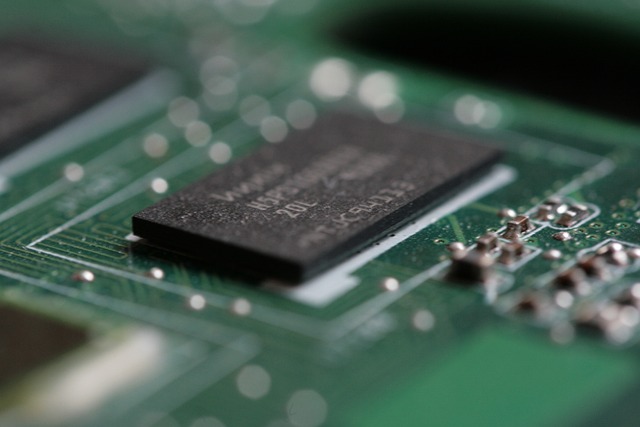
Next-generation semiconductor technology is redefining the foundation of modern innovation. From artificial intelligence to 5G connectivity, advanced chip architectures enable faster processing, improved energy efficiency, and scalable performance. As global demand for smart systems increases, semiconductor innovation becomes the driving force behind digital transformation.
Today, industries rely on high-performance chipsets to power automation, cloud computing, and immersive technologies.
Why Next-Generation Semiconductor Technology Matters
First, it enhances computational speed. Advanced fabrication processes allow higher transistor density, which improves performance significantly.
Second, energy efficiency improves with smaller node technologies. As a result, devices consume less power while delivering better output.
In addition, semiconductor advancements support AI acceleration and edge computing. Therefore, businesses can deploy intelligent systems at scale.
Because of these improvements, global innovation continues to accelerate.
Key Technologies Powering Semiconductor Advancement
Several breakthrough technologies define next-generation semiconductor technology.
- Advanced Process Nodes
Companies such as TSMC manufacture chips using cutting-edge nanometer processes that increase transistor density.
- AI-Optimized Chip Architectures
Firms like NVIDIA design GPUs optimized for deep learning and data-intensive applications.
- 3D Chip Stacking and Packaging
Innovative packaging techniques improve performance while reducing physical footprint.
Together, these technologies support scalable and intelligent systems worldwide.
Applications Across Global Markets
Next-generation semiconductor technology impacts multiple sectors.
Artificial Intelligence
AI systems require high-performance processors for real-time analytics.
Telecommunications
5G infrastructure depends on efficient and powerful semiconductor components.
Automotive
Electric vehicles and autonomous driving platforms use advanced microcontrollers and sensors.
Consumer Electronics
Smartphones, wearables, and IoT devices operate on energy-efficient chipsets.
Consequently, semiconductor innovation strengthens digital ecosystems globally.
Benefits of Advanced Semiconductor Innovation
Moreover, businesses gain measurable advantages:
- Higher computational performance
- Reduced power consumption
- Smaller device footprints
- Increased production scalability
Because semiconductors form the core of digital systems, innovation at this level influences every connected industry.
Challenges in Next-Generation Semiconductor Development
However, semiconductor advancement presents challenges.
- High fabrication costs
- Supply chain dependencies
- Complex design requirements
- Geopolitical trade constraints
Even so, continued research and global investment drive sustainable progress.
The Future of Semiconductor Technology
Looking ahead, next-generation semiconductor technology will integrate quantum research, AI-native architectures, and sustainable manufacturing processes. As global demand for intelligent infrastructure grows, semiconductor companies will continue shaping the digital economy.
Therefore, organizations investing in semiconductor research today will lead tomorrow’s technological breakthroughs.
Conclusion
Next-generation semiconductor technology is shaping the future of global innovation. By enabling breakthroughs in AI, connectivity, automation, and sustainability, advanced semiconductors are transforming industries and redefining technological leadership. The pace of progress in this field will determine how rapidly the world moves toward a smarter, more connected future