
Next-Generation AR/VR Technologies Explained
Introduction
Next-generation AR VR technologies are transforming how people interact with digital environments. Businesses and developers are now using immersive technologies to create engaging experiences for users. As a result, augmented reality and virtual reality applications are becoming more advanced and accessible.
Today, next-generation AR VR technologies combine artificial intelligence, spatial computing, and high-performance hardware. These technologies allow users to interact with digital objects in real time. Therefore, industries such as education, healthcare, gaming, and retail are rapidly adopting immersive solutions.
Companies like SelectronWave Technologies are exploring these technologies to build innovative digital experiences for the future.
What Are Next-Generation AR VR Technologies
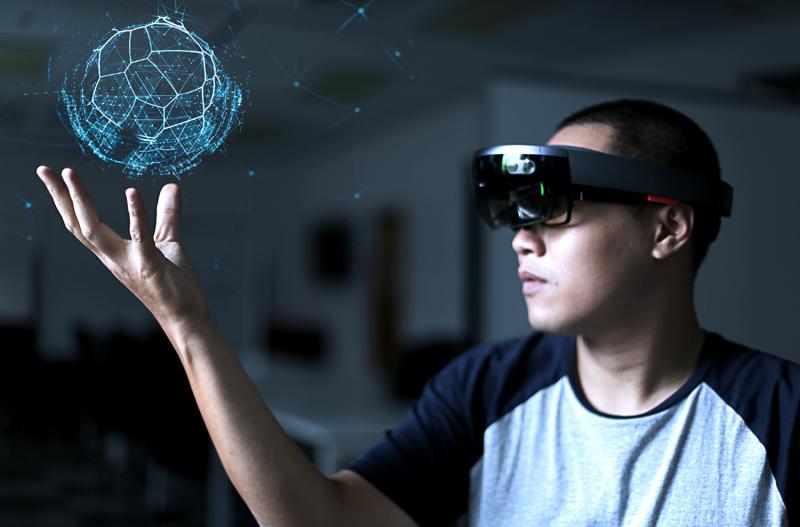
Next-generation AR VR technologies refer to advanced immersive systems that enhance how users interact with digital content. Augmented reality overlays digital elements in the real world, while virtual reality creates fully immersive environments.
Moreover, these technologies now include features such as gesture control, spatial tracking, and real-time interaction. Because of these improvements, AR VR solutions are becoming more powerful and practical for businesses.
Key Technologies Behind Next-Generation AR VR Technologies
Several advanced technologies power modern immersive systems.
First, spatial computing allows digital objects to interact with real-world environments. Second, artificial intelligence improves object recognition and interaction. In addition, cloud computing enables real-time processing and large-scale data management.
Consequently, these technologies make next-generation AR VR technologies faster, more accurate, and highly interactive.
Applications of Next-Generation AR VR Technologies
Next-generation AR VR technologies are transforming many industries.
For example, education platforms use immersive environments to improve learning experiences. Similarly, healthcare professionals use AR VR systems for medical training and simulations.
Furthermore, businesses use immersive technology for product demonstrations, digital experience centers, and interactive marketing campaigns. Because of these benefits, companies are investing heavily in AR VR innovation.
Benefits of Next-Generation AR VR Technologies
There are several advantages to adopting next-generation AR VR technologies.
First, immersive experiences increase user engagement. Second, these technologies improve training, visualization, and collaboration. In addition, businesses can showcase products and services in interactive environments.
Therefore, AR VR solutions help organizations create memorable and impactful digital experiences.
The Future of Next-Generation AR VR Technologies
The future of next-generation AR VR technologies looks promising. Emerging innovations such as spatial computing, haptic feedback, and advanced graphics will continue to enhance immersive experiences.
Moreover, new devices like Meta Quest 3 are making AR VR technology more accessible to developers and consumers.
As technology continues to evolve, next-generation AR VR technologies will become an essential part of digital transformation.
Conclusion
Next-generation AR/VR technologies represent a significant leap forward in immersive computing. By combining advanced hardware, intelligent software, and natural interaction, these technologies are transforming how users learn, work, and engage with digital content. Organizations that embrace next-generation AR/VR will be well-positioned to lead in the evolving immersive technology landscape.