
The Evolution of Digital Art & Animation in Immersive Technologies
Introduction
The evolution of digital art and animation has reshaped immersive technologies over the last decade. What began as simple 3D modeling has now expanded into real-time interactive environments. As a result, users experience visually rich and emotionally engaging digital spaces.
Today, immersive platforms rely heavily on advanced animation and artistic design to create realistic virtual worlds.
Why the Evolution of Digital Art and Animation Matters
First, visual storytelling strengthens user engagement. When immersive systems include high-quality animation, experiences feel more natural and believable.
Second, real-time rendering improves responsiveness. Users can interact with dynamic elements instead of watching static visuals.
In addition, artistic direction influences brand perception. Therefore, organizations invest in creative design strategies to stand out in competitive markets.
Key Milestones in Digital Art and Animation
Several technological advancements shaped this evolution.
- Real-Time Rendering Engines
Platforms such as Unity Technologies support interactive 3D content creation.
- Advanced Motion Capture
Motion tracking enhances character realism in immersive environments.
- Spatial Design Integration
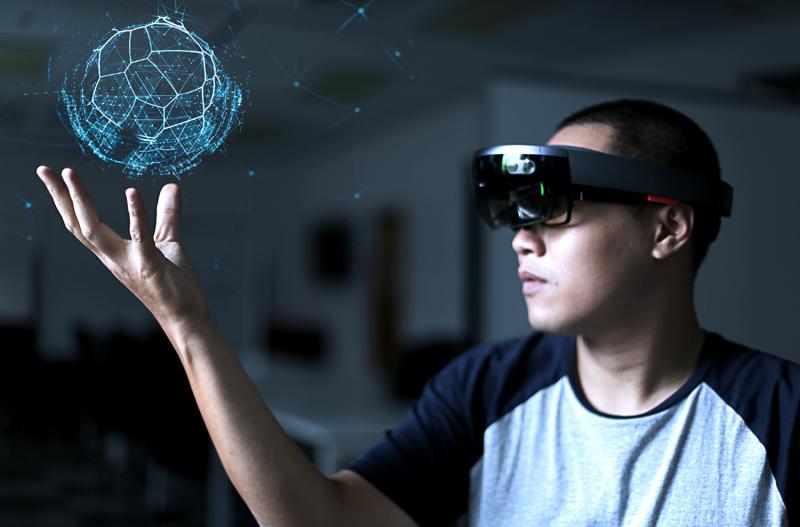
Devices like Microsoft HoloLens combine art and spatial computing.
Because of these developments, immersive storytelling has become more interactive and impactful.
Applications Across Immersive Technologies
The evolution of digital art and animation influences multiple sectors.
Gaming
Developers create lifelike environments with realistic character movement.
Education
Students explore animated scientific models in virtual classrooms.
Healthcare
Medical simulations use detailed 3D visualization for training.
Retail and Marketing
Brands design immersive product experiences to increase engagement.
Consequently, digital artistry plays a central role in immersive innovation.
Benefits of Advanced Digital Art in XR Systems
Moreover, organizations gain clear advantages:
- Higher visual realism
- Stronger emotional connection
- Improved learning retention
- Better brand storytelling
Because immersive environments rely on user interaction, artistic precision improves overall experience quality.
Challenges in Immersive Animation Design
However, producing high-quality immersive animation requires technical expertise.
- Rendering performance optimization
- Cross-device compatibility
- High production costs
- Skilled creative talent demand
Even so, continuous improvements in software tools are reducing complexity.
The Future of Digital Art and Animation in Immersive Technologies
Looking ahead, artificial intelligence will support automated animation workflows. In addition, procedural design tools will accelerate content creation.
As immersive technologies expand globally, digital art will become even more interactive and adaptive. Therefore, organizations that prioritize creative innovation will lead the next phase of immersive transformation
Conclusion
The evolution of digital art and animation in immersive technologies marks a new era of creativity. By merging artistic expression with spatial computing and interactivity, immersive digital art is transforming how stories are told, experienced, and remembered.