

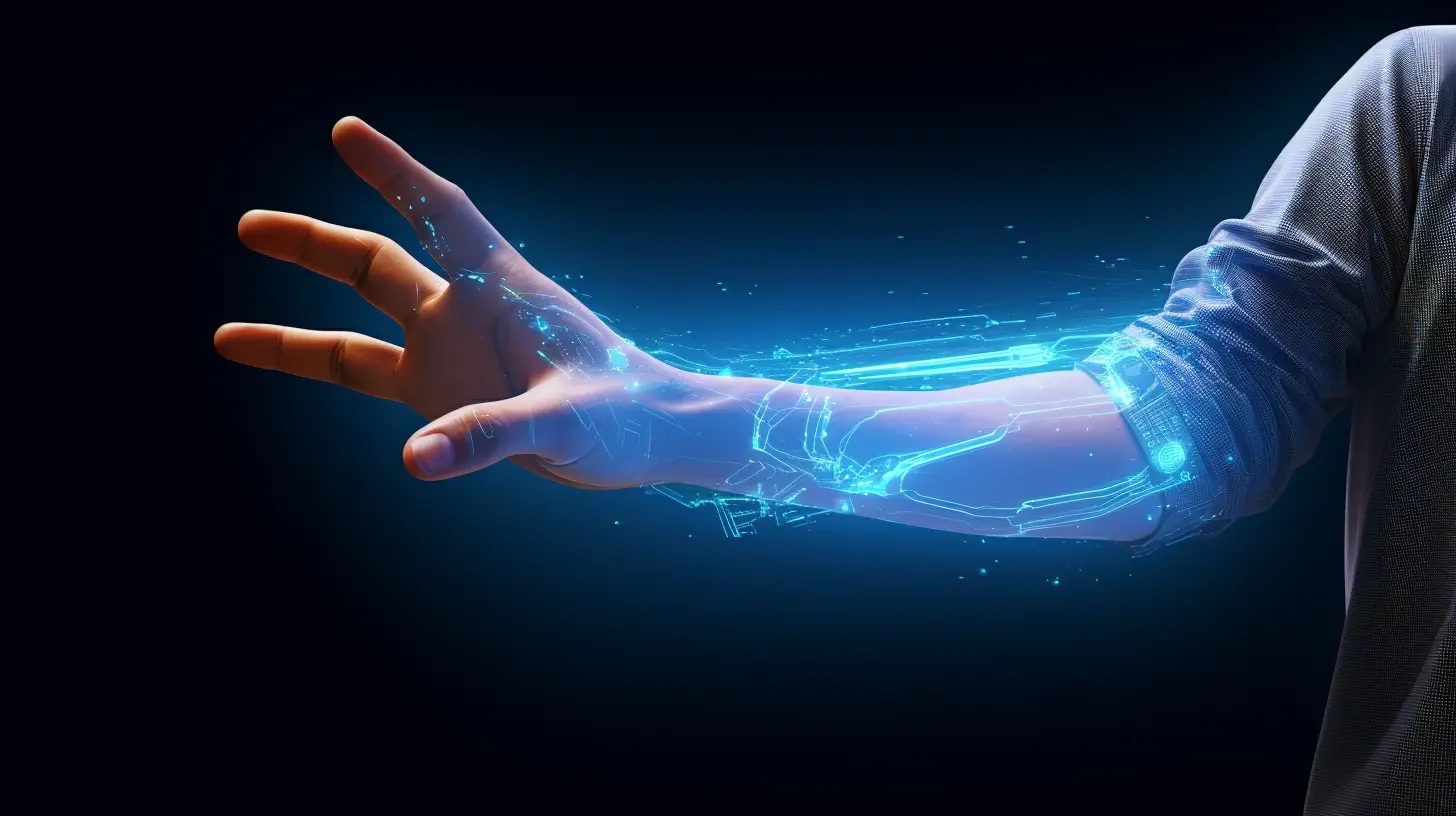
Digital Experience Centers and the Rise of Immersive Engagement
Introduction
Digital Experience Centers are transforming how businesses communicate, demonstrate, and engage. Today’s audiences expect more than static presentations. They want interaction. They want personalization. Most importantly, they want immersive engagement that feels meaningful and memorable.
At Selectrowave Technologies, we believe Digital Experience Centers are not just showrooms. Instead, they are dynamic environments where technology and storytelling merge to create powerful brand experiences.
What Are Digital Experience Centers?
Digital Experience Centers are interactive spaces designed to showcase products, services, and innovations using advanced technology. Unlike traditional demo rooms, these centers use immersive tools such as augmented reality, virtual reality, AI-driven displays, and interactive touch systems.
As a result, visitors do not just observe. They participate.
These environments allow organizations to:
- Present complex solutions in a simplified way
- Demonstrate real-time simulations
- Personalize content based on visitor profiles
- Deliver measurable engagement analytics
Therefore, Digital Experience Centers bridge the gap between information and experience.
Why Immersive Engagement Matters Today
Modern customers are digitally aware and highly informed. Because of this, static brochures and simple presentations no longer capture attention. Instead, audiences prefer interactive experiences that allow exploration.
Immersive engagement creates emotional connections. When users interact with technology, they remember the experience longer. Moreover, interactive engagement improves knowledge retention and decision-making confidence.
For example, industries like automotive, healthcare, real estate, and manufacturing are increasingly investing in immersive environments. These sectors require detailed explanations. However, explaining complex systems through text alone is difficult. Digital Experience Centers solve this problem effectively.
Technologies Powering Digital Experience Centers
Digital Experience Centers rely on multiple advanced technologies working together. Each component enhances engagement and usability.
XR and Spatial Computing
Extended Reality (XR), which includes augmented and virtual reality, creates interactive digital layers. These layers allow users to explore products in 3D environments.
Additionally, spatial computing enables users to interact with digital objects in physical space. This combination improves realism and engagement. As a result, demonstrations become more impactful.
AI-Driven Personalization
Artificial Intelligence analyzes visitor behavior and preferences. Then, it adjusts displayed content accordingly.
For instance, a returning visitor may see customized dashboards or relevant product demos. Consequently, engagement becomes highly personalized rather than generic.
Interactive Display Systems
Large-format touchscreens, gesture-based interfaces, and smart projection systems enable intuitive navigation.
Instead of navigating through menus passively, users actively control their journey. This approach significantly increases interaction time and engagement depth.
Business Benefits of Digital Experience Centers
Organizations invest in Digital Experience Centers for strategic reasons. These environments deliver measurable returns.
Improved Sales Conversations
Sales teams can demonstrate products using immersive simulations. Because of this, complex solutions become easier to understand.
Consequently, decision-makers gain clarity faster. This often shortens the sales cycle.
Stronger Brand Positioning
Immersive environments position a brand as innovative and forward-thinking. Furthermore, they create a premium perception in the minds of visitors.
When customers experience cutting-edge engagement, they associate the brand with technological leadership.
Data-Driven Insights
Modern Digital Experience Centers integrate analytics tools. These tools track visitor interaction patterns.
For example, organizations can measure:
- Most viewed products
- Average interaction time
- Frequently selected features
Therefore, companies can refine marketing strategies based on real data rather than assumptions.
Industry Applications
Digital Experience Centers serve multiple industries. Their adaptability makes them highly valuable.
Manufacturing
Manufacturers use immersive simulations to explain machinery, automation systems, and industrial workflows. This reduces the need for physical prototypes.
Real Estate
Real estate developers offer virtual walkthroughs of properties. As a result, buyers can explore spaces before construction is complete.
Healthcare
Healthcare providers use immersive technology to explain medical procedures and equipment. Consequently, patient understanding improves significantly.
Corporate Enterprises
Large enterprises build Digital Experience Centers to showcase innovation pipelines, research capabilities, and product portfolios.
In every case, immersive engagement enhances clarity and confidence.
The Future of Immersive Engagement
The evolution of Digital Experience Centers is accelerating. Emerging technologies such as AI automation, real-time data visualization, and cloud-integrated platforms are expanding possibilities.
Moreover, remote immersive access is becoming more common. Organizations are creating hybrid experience centers that combine physical and virtual participation.
As technology continues to evolve, immersive engagement will become a standard expectation rather than a luxury feature.
Conclusion
Digital Experience Centers are redefining how organizations communicate value. They combine immersive engagement, interactive technologies, and intelligent systems to create meaningful digital journeys.
Rather than delivering static information, these centers enable exploration, personalization, and measurable impact.