
Gesture Technologies Driving Innovation in Smart Systems
Introduction
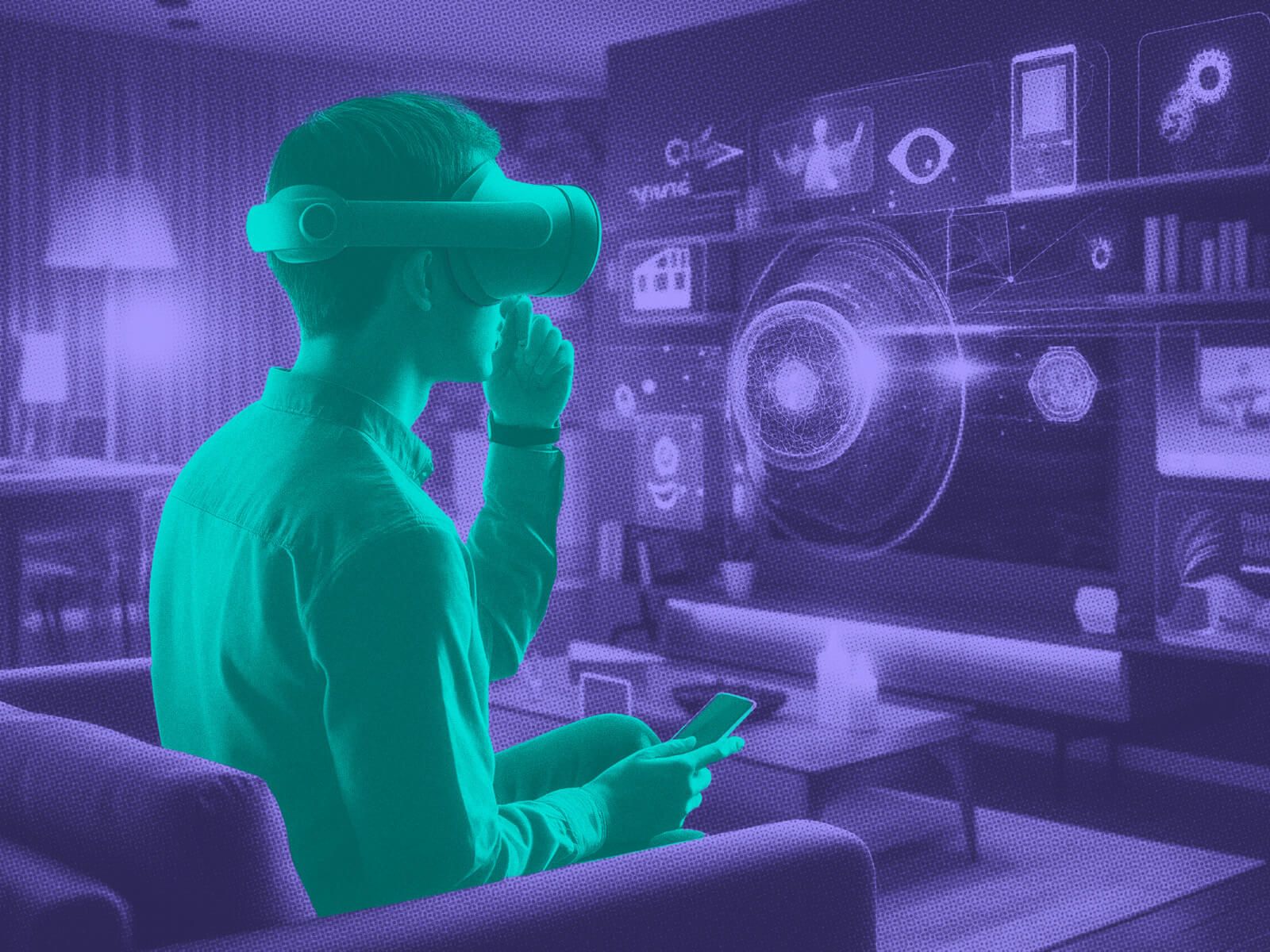
Gesture technologies in smart systems are changing how people interact with digital environments. Instead of using keyboards or touchscreens, users can control systems with simple hand movements. As a result, interaction becomes faster and more natural.
Today, businesses use gesture-based systems to improve automation and user experience. In addition, these systems reduce physical contact and simplify operations.
What Are Gesture Technologies?
Gesture technologies use sensors and cameras to detect body movements. Then, software converts those movements into digital commands. For example, a hand wave can change a slide. Similarly, a swipe can rotate a 3D model.
Because of this, users can control systems without touching any device. Therefore, interaction feels smooth and intuitive.
Why Gesture Technologies in Smart Systems Matter
Gesture technologies in smart systems improve efficiency and engagement. First, they reduce hardware dependency. Second, they simplify navigation. Finally, they create immersive experiences.
Moreover, touchless control improves hygiene in public and industrial spaces. As a result, many industries now prefer gesture-enabled systems.
Key Benefits
- Touchless Interaction
Users can operate systems without physical contact. Consequently, equipment lasts longer and remains cleaner.
- Faster Workflow
Gestures reduce the number of steps required to complete tasks. Therefore, employees work more efficiently.
- Better User Experience
Natural hand movements are easy to learn. In other words, training time decreases significantly.
Industry Applications
Gesture technologies in smart systems are widely used across industries.
Healthcare
Doctors control medical images using hand gestures. This approach improves safety and saves time.
Manufacturing
Operators manage machinery interfaces without pressing buttons. As a result, productivity increases.
Retail
Interactive displays respond to customer movements. Consequently, engagement levels rise.
Education
Students explore digital content using gestures. Therefore, learning becomes more interactive.
Integration with AI and IoT
Gesture technologies become more powerful when combined with artificial intelligence and IoT systems. For instance, AI improves motion detection accuracy over time. Meanwhile, IoT connects multiple devices into one smart ecosystem.
Because of this integration, a single gesture can control lights, screens, and data dashboards. As a result, smart environments operate more smoothly.
According to Gartner, touchless technologies are growing rapidly in enterprise systems. Similarly, McKinsey & Company reports that intelligent automation increases operational efficiency.
Security and Reliability
Although gesture systems are innovative, security remains important. Therefore, companies must use encrypted communication and secure networks.
In addition, systems should filter accidental movements. This ensures reliable performance.
The Future of Gesture Technologies
Gesture technologies in smart systems will continue evolving. As AI improves, gesture recognition will become more accurate. Furthermore, wearable devices may expand remote interaction capabilities.
Eventually, touchless control may become standard in smart environments.
Conclusion
Gesture technologies in smart systems are transforming modern digital interaction. They improve automation, increase efficiency, and enhance user engagement.
Because businesses demand smarter solutions, gesture-enabled systems will play a central role in future innovation.