

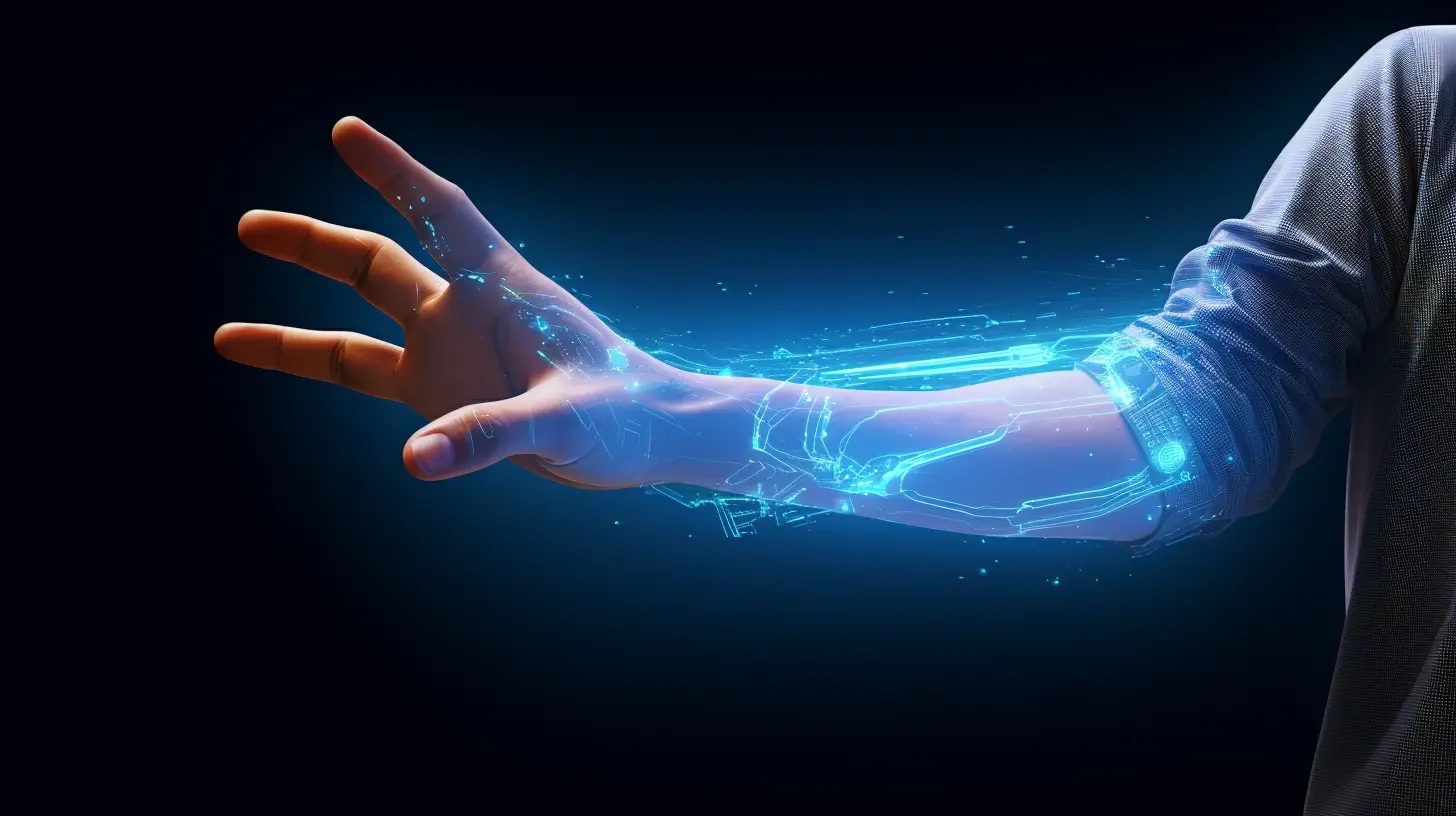
The Role of Gesture Technologies in AR, VR, and MR Experiences
Introduction
Gesture technologies in AR VR MR are transforming how users interact with digital environments. Instead of using traditional controllers, people can control virtual systems through natural hand movements.
These technologies allow users to interact with digital objects in real time. As a result, immersive experiences become more intuitive and engaging.
Today, companies like SelectronWave Technologies explore gesture-based systems to improve immersive interaction across digital platforms.
How Gesture Technologies Work in Immersive Systems
Gesture recognition systems detect and interpret human movements using sensors, cameras, and advanced algorithms. These systems track hand positions and translate movements into digital commands.
For example, a user can rotate a 3D model, select virtual objects, or navigate digital menus using simple gestures. Because of this capability, immersive environments become easier to use.
Moreover, gesture technologies reduce the need for physical controllers, creating more natural interaction in virtual environments.
Applications of Gesture Technologies in AR VR MR
Gesture technologies in AR VR MR support many industries and applications.
In education, students can explore virtual models and simulations using hand gestures. In healthcare, doctors can interact with medical data without touching screens.
Similarly, entertainment platforms use gesture recognition to create interactive gaming experiences. These applications demonstrate how gesture interaction improves user engagement.
Benefits of Gesture-Based Interaction
Gesture technologies provide several advantages for immersive systems.
First, they enable touchless interaction, which improves hygiene and convenience. Second, they create more intuitive user experiences because gestures are natural human actions.
In addition, gesture recognition improves accessibility by reducing the need for traditional input devices. Therefore, immersive platforms become more user-friendly.
Future of Gesture Technologies in Immersive Experiences
The future of gesture technologies in AR VR MR will continue to evolve with advances in artificial intelligence and sensor technology. Improved motion tracking will allow more precise interaction within digital environments.
According to insights from Gartner, immersive technologies will continue to expand across industries.
As innovation continues, gesture-based interaction will become an essential component of immersive digital platforms.
Conclusion
Gesture technologies are a foundational component of immersive AR, VR, and MR experiences. By enabling natural, touchless interaction, they enhance usability, realism, and engagement across industries. As XR ecosystems continue to mature, gesture technologies will play an increasingly important role in shaping intuitive and immersive digital interactions.