

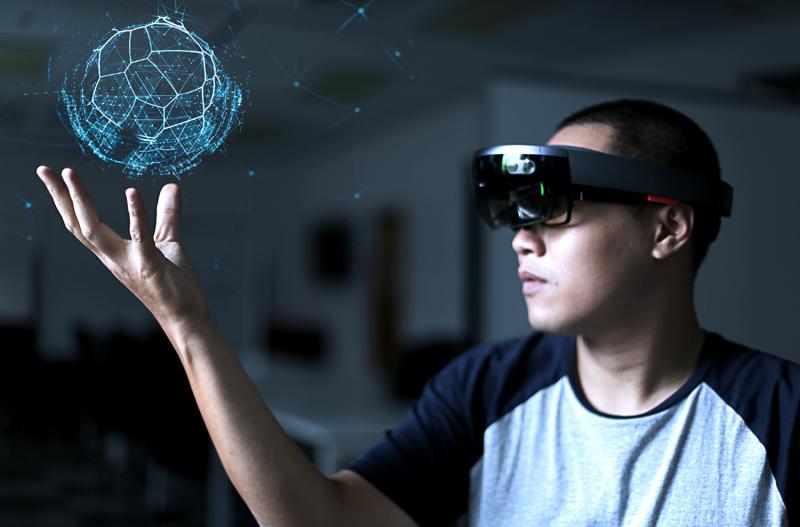
Haptics Technologies Shaping the Future of Immersive Systems
Introduction
Haptics technologies in immersive systems are changing how people interact with digital environments. These systems provide tactile feedback that makes virtual interactions feel real. For example, in gaming and virtual simulations, users can “feel” textures, vibrations, and resistance. Moreover, haptics enhances learning and training by giving hands-on feedback in a safe, virtual space.
At Selectrowave Technologies, we integrate haptics into immersive systems to create experiences that are intuitive, interactive, and highly engaging.
What Are Haptics Technologies?
Haptics technologies use sensors, actuators, and software to provide tactile feedback. They allow users to touch, feel, or manipulate virtual objects without physical contact. Unlike traditional input methods like keyboards or touchscreens, haptic systems create natural, realistic interactions.
For example, medical students can practice surgeries on a virtual patient and feel the resistance of tissues or organs. Similarly, in automotive design, engineers can simulate the feel of buttons, switches, or vehicle dynamics without physical prototypes.
How Haptics Enhances Immersive Systems
Haptics technologies in immersive systems make digital environments more intuitive and realistic. These systems often combine AI, sensors, and spatial computing to create touch-responsive experiences.
Key Advantages Include:
- Enhanced User Engagement: Users feel more connected when they can touch and manipulate virtual objects.
- Improved Learning & Training: Haptic feedback reinforces muscle memory and decision-making.
- Greater Accessibility: Individuals with visual impairments can navigate systems using touch feedback.
- Reduced Errors: In industrial applications, haptic cues can alert users to mistakes or guide operations.
Additionally, these systems allow multiple users to interact simultaneously in collaborative environments, creating a shared immersive experience.
Applications Across Industries
Haptics technologies in immersive systems have practical applications in many sectors.
Healthcare
Surgeons and trainees use haptic-enabled simulators to practice procedures. This reduces risk and enhances precision. For example, robotic surgery systems now provide tactile feedback to the surgeon’s controls.
Gaming & Entertainment
Video games and virtual reality experiences leverage haptic suits and gloves. Players feel environmental effects, such as wind, recoil, or vibrations, making games far more immersive.
Automotive & Robotics
Engineers and operators use haptic feedback to control machinery or test vehicle components virtually. This saves time and cost by reducing the need for physical prototypes.
Training Simulations
Military, aviation, and industrial training programs use haptic simulations to replicate real-world conditions. Trainees gain hands-on experience safely, which increases retention and skill development.
Integration with AI and XR
Haptics technologies in immersive systems become more effective when combined with AI and extended reality (XR).
- AI algorithms interpret user gestures and movements accurately, providing adaptive feedback.
- XR platforms combine virtual and physical elements, giving users the sense of being “inside” the environment.
- IoT-enabled haptic devices allow multi-device interactions in smart environments.
Consequently, users experience seamless, touch-responsive digital interactions that mimic real-world experiences.
Business Benefits of Haptic Systems
Companies investing in haptic technologies gain measurable advantages:
- Higher Engagement: Users stay longer in simulations or demos due to realistic interactions.
- Reduced Costs: Less need for physical prototypes or repeated training sessions.
- Enhanced Brand Perception: Cutting-edge technology positions a company as innovative.
- Data-Driven Insights: Interaction patterns can be analyzed to optimize products or experiences.
Moreover, businesses in healthcare, automotive, and entertainment can differentiate themselves by offering immersive, hands-on experiences.
The Future of Haptics in Immersive Systems
Haptics technologies will continue evolving with AI, XR, and spatial computing. For example, wearable haptic suits will become lighter, more responsive, and more affordable. Remote collaboration will benefit as haptics allows users to feel interactions from anywhere in the world.
Research by Gartner predicts that intelligent tactile interfaces will become standard in enterprise applications. Similarly, PwC highlights that immersive haptics is a growing priority in digital transformation initiatives.
Conclusion
Haptics technologies in immersive systems are revolutionizing digital interaction. By providing tactile feedback, these systems make virtual experiences more realistic, intuitive, and engaging. Industries ranging from healthcare to gaming are already leveraging haptics to enhance user experience, reduce errors, and improve training outcomes.