

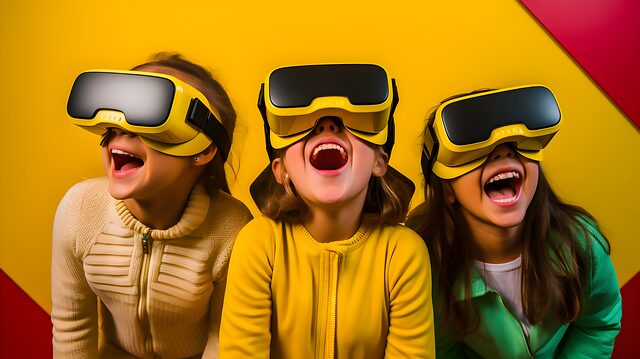
The Future of Haptics in Virtual Reality: Creating Immersive Sensory Experiences
What is Haptics in Virtual Reality?
Haptics in virtual reality refers to technology that creates a sense of touch. It allows users to feel digital objects in a virtual environment.
In simple terms, it adds physical feedback to virtual experiences. As a result, users feel more connected to the digital world.
How Haptics in Virtual Reality Works
Haptic systems use sensors and feedback devices. First, the system detects user actions. Then, it sends signals to haptic devices.
After that, the devices create vibrations or pressure. Because of this, users feel touch sensations.
Therefore, the experience becomes more realistic.
Key Features of Haptic Technology
Touch Feedback
Users can feel textures and movements. This improves realism.
Real-Time Response
The system reacts instantly to user actions. As a result, interaction feels natural.
Enhanced Immersion
Haptics increase user involvement. Therefore, experiences feel deeper.
Device Integration
Haptics work with gloves, controllers, and suits. Because of this, usage becomes flexible.
Why Haptics in Virtual Reality is Important
Haptics in virtual reality improves how users interact with digital environments. First, it adds a physical layer to virtual content. Next, it increases engagement.
Also, it helps users understand actions better. As a result, learning and training improve.
Applications of Haptics in Virtual Reality
Haptics in virtual reality is used in many industries:
- Gaming for realistic interaction
- Healthcare for medical training
- Education for practical learning
- Simulation for skill development
Benefits of Haptics in Virtual Reality
Haptics in virtual reality offers many benefits. First, it improves immersion. Next, it enhances user experience.
Also, it supports real-time interaction. Therefore, users feel more engaged.
In addition, it improves training efficiency. As a result, users learn faster.
Challenges of Haptic Technology
There are some challenges to consider. First, devices can be expensive. Next, setup may require advanced hardware.
Also, technology is still evolving. However, improvements are happening quickly. Therefore, adoption will grow.
Future of Haptics in Virtual Reality
The future of haptics in virtual reality looks promising. First, devices will become more advanced. Next, feedback will feel more realistic.
Also, haptics may combine with AI and spatial computing. As a result, experiences will become more immersive.
Conclusion
Haptics in virtual reality is transforming digital interaction. It adds the sense of touch to virtual experiences.
In conclusion, this technology will shape the future of immersive systems. Therefore, businesses should explore its potential.