

What Is Haptics Technology?
Introduction
Haptic feedback technology allows users to feel digital interactions through touch. Devices create vibrations or small movements that users can sense. As a result, digital actions feel more natural and interactive.
Today, many modern devices use this touch feedback system. Smartphones, gaming controllers, and wearable devices often include it. Because of this feature, users receive physical confirmation when they press a button or interact with a screen.
In simple terms, this technology connects digital systems with the human sense of touch.
How Haptic Feedback Technology Works
Haptic feedback technology works through small motors or actuators inside a device. These components generate vibrations or force responses.
For example, when you type on a smartphone keyboard, the phone produces a small vibration. This vibration confirms that the device received your input.
Similarly, gaming controllers use stronger vibrations during gameplay. Therefore, players can feel actions such as crashes, explosions, or movement.
Because of this physical response, digital interactions feel more immersive.
Types of Touch Feedback Systems
Different devices use different forms of touch feedback. Each type creates a unique experience for the user.
Vibration Feedback
Vibration feedback is the most common form of touch interaction. Smartphones often use small motors to create quick vibrations. These signals notify users about calls, messages, or screen interactions.
Force Feedback
Force feedback provides stronger physical sensations. Gaming devices often use this technology. For instance, steering wheels in racing games push back when a player turns sharply.
Surface Haptics
Surface haptics changes the way a touchscreen feels. It can simulate the sensation of pressing a physical button. As a result, flat screens can provide a more realistic touch experience.
Applications of Haptic Feedback Technology
Many industries use touch feedback systems to improve user interaction.
Gaming
Gaming systems use vibration and force feedback to increase realism. For example, players can feel impacts, movements, and environmental effects.
Virtual Reality
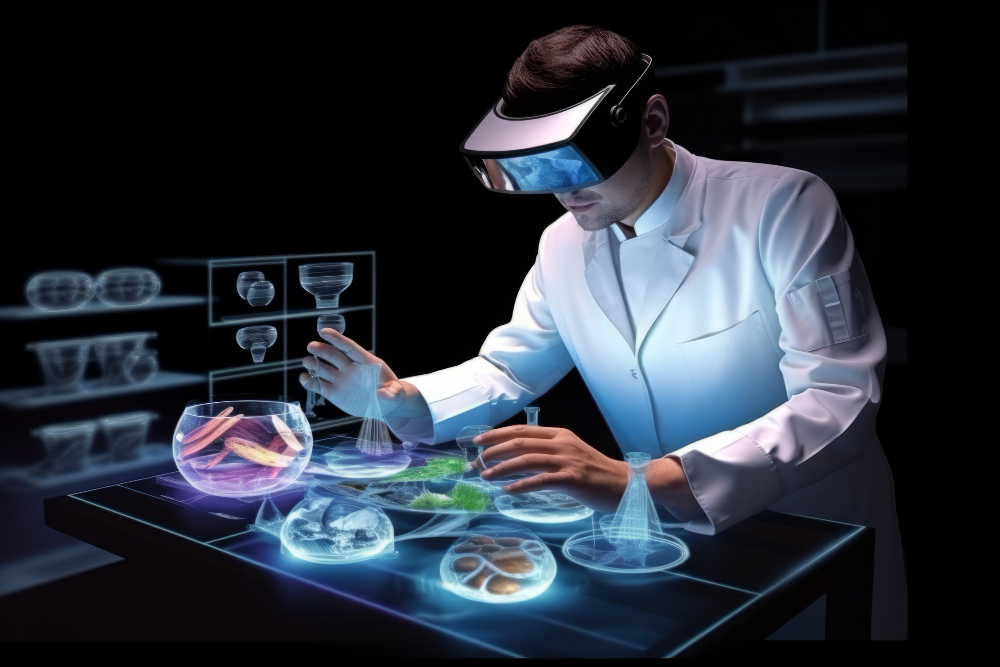
Virtual reality systems often include touch feedback devices. These tools help users feel objects and textures in digital environments.
Smartphones and Wearables
Smartphones and smartwatches use vibrations to alert users about notifications. Therefore, users can receive updates without constantly checking their screens.
Healthcare and Training
Medical training systems sometimes use touch feedback devices. These systems help doctors practice procedures in simulated environments.
Benefits of Touch Feedback Technology
Touch feedback technology improves the way people interact with digital devices.
First, it enhances user experience by adding physical sensations.
Second, it confirms user actions through vibrations or force responses.
In addition, it increases immersion in gaming and virtual environments.
Because of these advantages, many companies continue to adopt this technology.
Future of Haptic Interaction
The future of touch feedback systems looks promising. Engineers continue to develop advanced devices that can simulate textures and pressure.
For example, future systems may allow users to feel the shape or surface of digital objects. As a result, immersive technologies such as augmented reality and virtual reality will become more realistic.
Therefore, touch feedback technology will play an important role in the next generation of digital interaction.
Conclusion
Haptic feedback technology brings the sense of touch into digital systems. It helps users interact with devices in a more natural and engaging way.
Today, many industries already use this technology. In the future, it will continue to improve digital experiences across gaming, healthcare, and immersive environments.


1 Comment
Dominique4139
May 1, 2025Good https://is.gd/N1ikS2