
Hologram Technology and the Rise of Immersive Experiences
Introduction
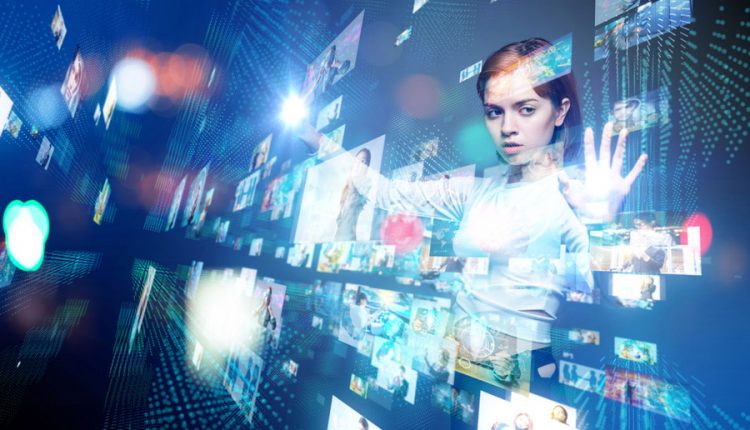
Hologram technology is changing the way people see digital content. It creates three-dimensional images that appear in real space. Unlike normal screens, holograms allow users to view objects from different angles.
Today, many industries use holographic displays. For example, education, healthcare, and entertainment benefit from this technology. As a result, immersive experiences are becoming more interactive and realistic.
How Hologram Technology Works
Holograms are created using light projection and advanced computing systems. These systems capture light patterns and recreate them as 3D images.
Because of this process, holographic images show depth and movement. Users can explore these images without wearing special devices. Therefore, the experience feels more natural and engaging.
Hologram Technology in Immersive Experiences
Immersive technologies focus on realistic digital interaction. Hologram technology plays an important role in this environment.
For example, businesses can display products as holographic models. Users can view and analyze these models in real time. In addition, holographic visualization improves communication during presentations and demonstrations.
Companies such as SelectronWave Technologies are exploring immersive technologies to create innovative digital solutions.
Applications in Different Industries
Education
Holograms help students understand complex subjects. For instance, teachers can display 3D models of planets, machines, or human organs. Therefore, learning becomes easier and more engaging.
Healthcare
Doctors use holographic visualization to study medical data. These models help them understand structures inside the body. As a result, training and diagnosis improve.
Entertainment
Hologram technology also improves concerts and live events. Artists can appear as digital projections on stage. Consequently, audiences enjoy a unique visual experience.
Business and Marketing
Companies use holograms to present product designs. Clients can view the product from different perspectives. This helps them understand features before production begins.
Benefits of Hologram Technology
Holographic systems provide several advantages. First, they create realistic 3D visuals. Second, they improve user engagement.
In addition, holograms help people understand complex information quickly. Therefore, businesses and educators are adopting this technology in many applications.
Future of Hologram Technology
The future of hologram technology looks promising. New innovations will make holographic displays more advanced and affordable.
In the coming years, holograms may appear in meetings, classrooms, and smart environments. As technology evolves, immersive experiences will become more interactive than ever before.
Conclusion
Hologram technology is an important part of modern immersive systems. It creates realistic 3D visuals and improves digital interaction. Because of its advantages, many industries are exploring holographic solutions.
In the future, holographic innovation will continue to transform digital experiences and interactive environments.