
Hologram Technology: The Future of Visual Communication
What is Hologram Technology?
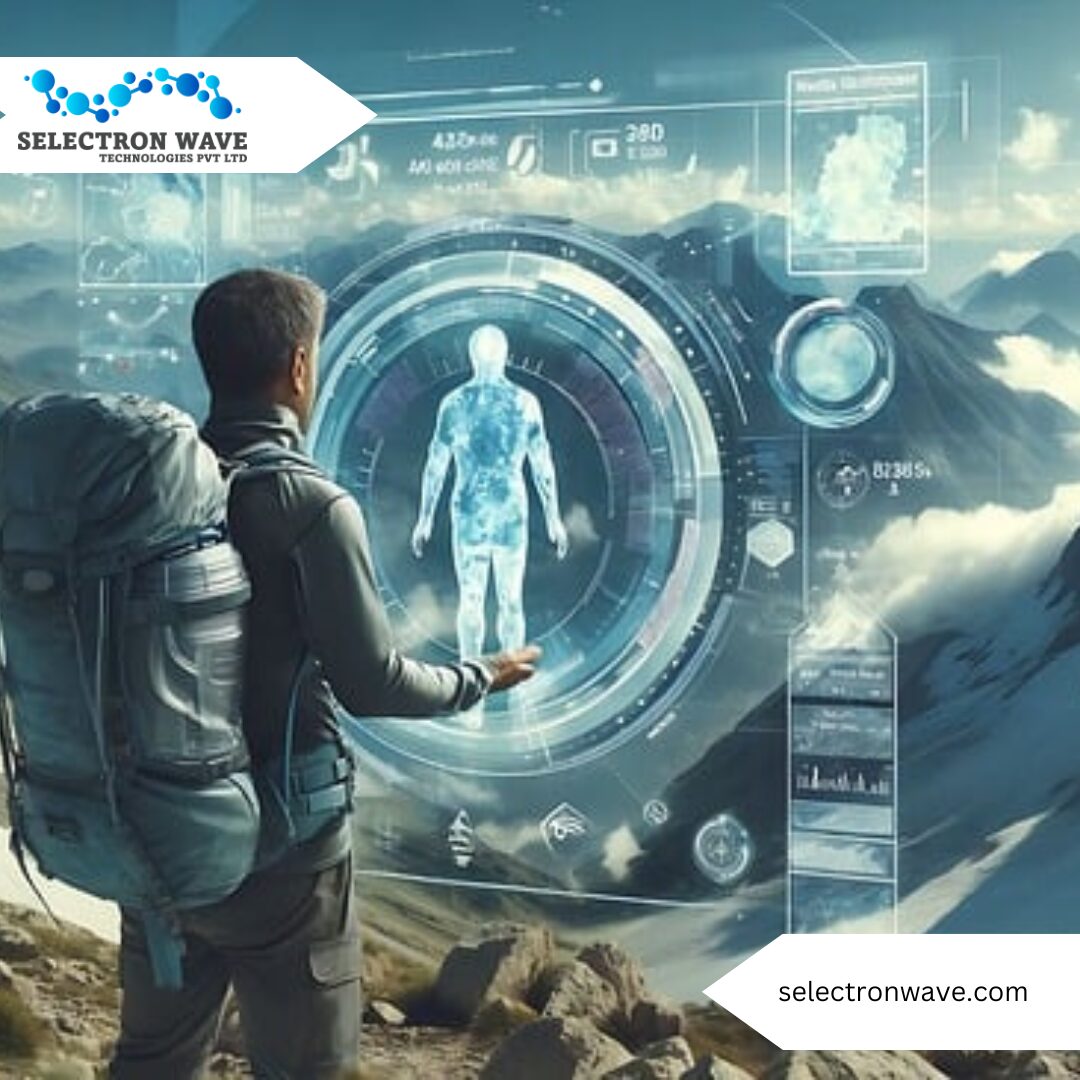
Hologram technology creates 3D images that appear in real space. These images look real, even though they are made using light.
In simple terms, it allows people to see objects without physical screens. As a result, users get a more immersive visual experience.
How Hologram Technology Works
Hologram technology uses light, lasers, and projection systems. First, a laser beam records the object. Then, the system processes the light pattern.
After that, the system projects the image into space. Because of this, users can view the object from different angles.
Therefore, the experience feels more realistic than normal images.
Key Features of Hologram Technology
3D Visualization
Holograms show objects in three dimensions. This makes the display more lifelike.
Real-Time Interaction
Users can interact with holograms. For example, they can rotate or zoom the object.
No Physical Screen
Holograms appear in open space. As a result, no screen is required.
High Engagement
The visual experience is highly engaging. Therefore, it captures user attention quickly.
Why Hologram Technology is Important
Hologram technology improves how people communicate visually. First, it makes presentations more interactive. Next, it helps explain complex ideas easily.
Also, it enhances remote communication. As a result, people feel more connected even at a distance.
Applications of Hologram Technology
Hologram technology is used in many industries:
- Healthcare for medical visualization
- Education for interactive learning
- Entertainment for live performances
- Business for product presentations
To explore more advanced technologies,
For industry insights, refer to Microsoft and its mixed reality solutions.
Benefits of Hologram Technology
Hologram technology offers many advantages. First, it improves user engagement. Next, it enhances understanding.
Also, it creates realistic experiences. Therefore, it is useful in training and presentations.
In addition, it supports innovation across industries.
Challenges of Hologram Technology
Hologram technology still faces some challenges. First, it requires advanced hardware. Next, the cost can be high.
Also, development is still evolving. However, improvements are happening quickly. Therefore, adoption will increase in the future.
Future of Hologram Technology
The future of hologram technology looks promising. First, it may replace traditional screens. Next, it can improve virtual meetings.
Also, it may combine with AI and AR. As a result, users will get smarter experiences.
Therefore, this technology will play a major role in digital communication.
Conclusion
Hologram technology is changing visual communication. It provides immersive and interactive experiences.
In conclusion, it will shape the future of how people connect and share information. Therefore, businesses should explore its potential.