
How the Internet of Things Is Transforming Modern Industries
Introduction
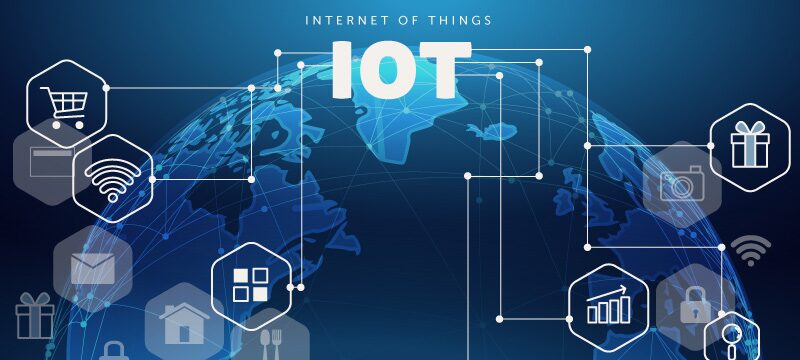
The Internet of Things in modern industries is changing how businesses operate. IoT connects physical devices to the internet so they can collect and share data.
Today, companies use connected sensors, smart devices, and automated systems to improve efficiency. As a result, organizations can monitor operations in real time and make better decisions.
Because of these benefits, IoT is becoming a key part of digital transformation.
What Is the Internet of Things?
The Internet of Things (IoT) refers to a network of connected devices that communicate with each other through the internet. These devices include sensors, machines, vehicles, and smart systems.
For example, a factory machine can send performance data to a cloud platform. Managers can then analyze the data and improve production efficiency. Therefore, businesses gain better control over their operations.
How IoT Is Transforming Modern Industries
The Internet of Things in modern industries helps companies automate processes and collect valuable insights. This technology connects machines, systems, and software into a single network.
Because of this connectivity, businesses can track performance, detect issues early, and reduce operational costs. In addition, real-time monitoring improves productivity and safety in many sectors.
Technology companies such as SelectronWave Technologies are exploring IoT solutions to support modern digital ecosystems.
Key Industry Applications of IoT
Smart Manufacturing
Manufacturing industries use IoT sensors to monitor machines and equipment. These sensors detect issues before failures occur. As a result, companies reduce downtime and maintenance costs.
Healthcare and Medical Systems
Hospitals use IoT devices to monitor patients and medical equipment. Doctors can receive real-time data about patient health. Therefore, treatment becomes faster and more accurate.
Smart Cities and Infrastructure
IoT technology helps cities manage traffic, lighting, and energy systems. Smart sensors collect data that improves urban planning and public services.
Retail and Supply Chain
Retail companies track inventory using IoT devices. Businesses can monitor product movement in warehouses and delivery systems. Consequently, supply chain management becomes more efficient.
Benefits of the Internet of Things
IoT provides several advantages for businesses and industries.
First, it improves operational efficiency through automation. Second, it provides real-time data for better decision-making.
In addition, IoT helps companies reduce costs and increase productivity. Because of these benefits, organizations across the world are adopting connected technologies.
Future of IoT in Modern Industries
The future of the Internet of Things in modern industries looks promising. As connectivity improves, more devices will become part of smart networks.
In the coming years, IoT will work closely with technologies such as artificial intelligence and cloud computing. Together, these systems will create smarter and more efficient digital environments.
Conclusion
The Internet of Things is transforming modern industries by connecting devices, systems, and data. Businesses can automate processes, monitor operations, and improve efficiency.
As technology continues to evolve, IoT will play an important role in the future of digital innovation and smart industrial solutions.