semicontuctor2

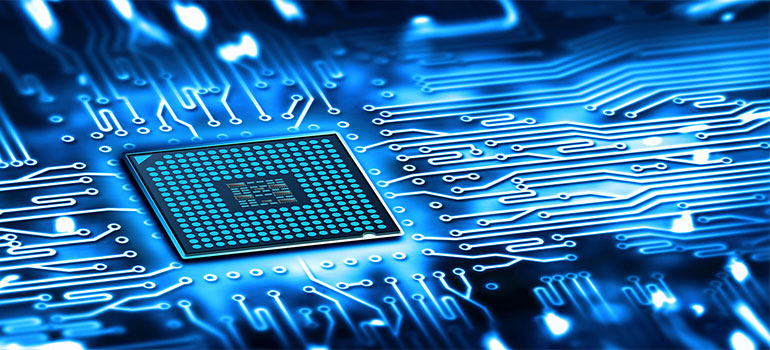
The Future of Semiconductor Technology: Trends, Challenges, and Opportunities

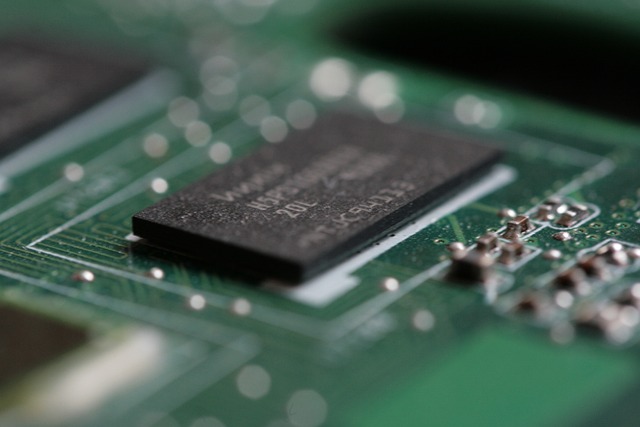
Introduction The future of semiconductor technology is transforming industries across the world. From artificial intelligence to electric vehicles, advanced chips power modern digital systems. As demand increases, innovation in chip design and fabrication becomes more critical than ever. Today, semiconductor manufacturers focus on performance, efficiency, and scalability to meet growing technological needs. Why the Future

The Future of Semiconductor Technology: Trends, Challenges, and Opportunities Read More »
Spatial-Computing2 & Gesture technologies

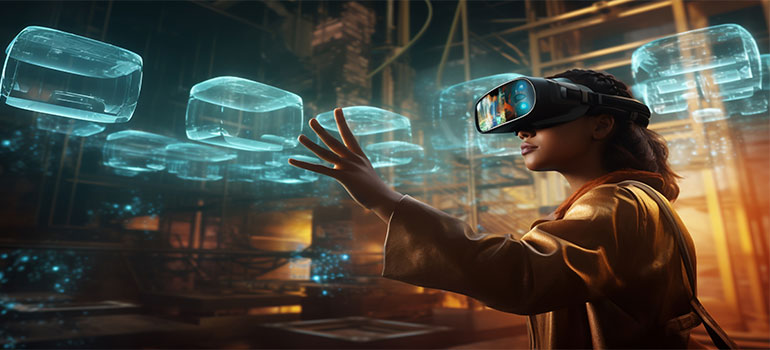
The Rise of XR and MR: Redefining Interaction in the Digital World

Introduction The rise of XR and MR is reshaping how people interact with digital environments. Extended Reality (XR) combines virtual, augmented, and mixed reality technologies into a unified ecosystem. Meanwhile, Mixed Reality (MR) blends physical and digital elements in real time. As a result, users experience more natural and immersive interaction. Today, businesses across industries

The Rise of XR and MR: Redefining Interaction in the Digital World Read More »

ARVR

The Evolution of Digital Art & Animation in Immersive Technologies

Introduction The evolution of digital art and animation has reshaped immersive technologies over the last decade. What began as simple 3D modeling has now expanded into real-time interactive environments. As a result, users experience visually rich and emotionally engaging digital spaces. Today, immersive platforms rely heavily on advanced animation and artistic design to create realistic

The Evolution of Digital Art & Animation in Immersive Technologies Read More »

Digital Experience

Next-Generation Digital Experience Centers and Interactive Innovation

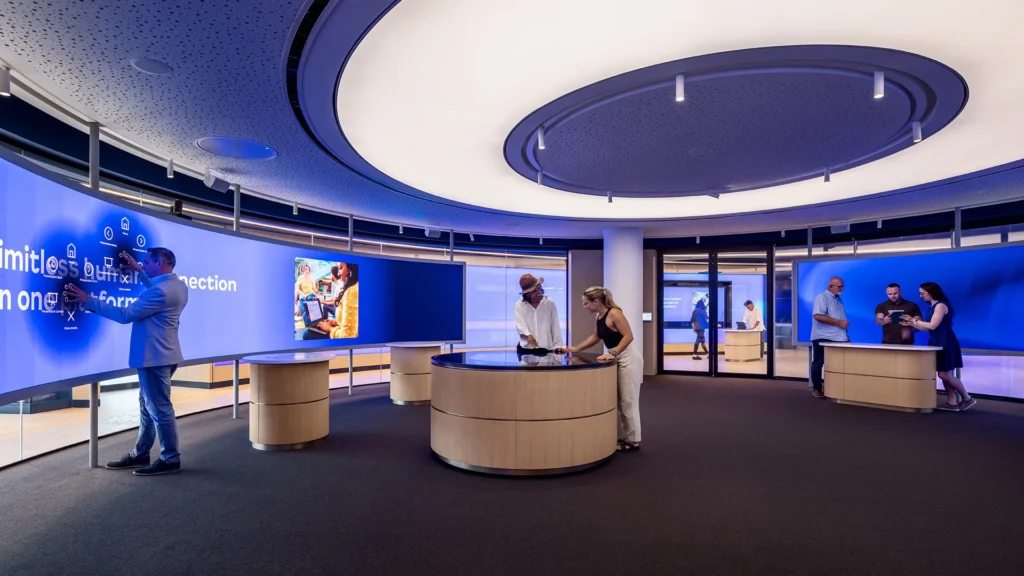
Introduction Next-generation digital experience centers are redefining how businesses present technology solutions. Unlike traditional demo spaces, these environments combine immersive tools, real-time collaboration, and interactive storytelling. As a result, organizations create stronger engagement and clearer value demonstrations. Today, enterprises use these centers to showcase XR, AI, and spatial computing solutions in practical scenarios. Why Next-Generation

Next-Generation Digital Experience Centers and Interactive Innovation Read More »

microcontroller

Next-Generation Semiconductor Technology Driving Global Innovation

Introduction Next-generation semiconductor technology is redefining the foundation of modern innovation. From artificial intelligence to 5G connectivity, advanced chip architectures enable faster processing, improved energy efficiency, and scalable performance. As global demand for smart systems increases, semiconductor innovation becomes the driving force behind digital transformation. Today, industries rely on high-performance chipsets to power automation, cloud

Next-Generation Semiconductor Technology Driving Global Innovation Read More »

Spatial-Computing2 & Gesture technologies

Gesture Technologies Powering Next-Generation XR Applications

Introduction Gesture technologies in XR applications are redefining how users interact with immersive environments. Instead of relying on controllers or touchscreens, individuals can use natural hand and body movements to navigate digital spaces. As XR adoption grows, intuitive interaction becomes essential for user engagement. Today, industries integrate gesture-based systems to create more immersive and responsive

Gesture Technologies Powering Next-Generation XR Applications Read More »

Spatial-Computing2 & Gesture technologies

How AI and Spatial Computing Are Powering Hologram Technology

Introduction AI and spatial computing in hologram technology are redefining how digital content appears and behaves in real environments. Instead of static projections, modern holographic systems use intelligent processing and spatial awareness to deliver interactive 3D visuals. As immersive demand increases, businesses integrate smarter hologram platforms to enhance engagement. Today, industries rely on AI-driven spatial

How AI and Spatial Computing Are Powering Hologram Technology Read More »

ProductDesign

Product Design at the Intersection of XR, AI, and Spatial Computing

Introduction XR product design is evolving rapidly as immersive technologies become more intelligent and spatially aware. Instead of creating static digital interfaces, designers now build adaptive environments that respond to user behavior. By combining extended reality with artificial intelligence and spatial computing, organizations deliver interactive and user-centered experiences. As industries move toward immersive ecosystems, product

Product Design at the Intersection of XR, AI, and Spatial Computing Read More »

App Devlopment

Next-Generation App Development Technologies

Introduction Next-generation app development technologies are transforming how businesses build digital solutions. Today, companies need applications that are faster, smarter, and more scalable. Therefore, developers are using modern tools and frameworks to meet these expectations. In addition, technologies such as artificial intelligence, cloud computing, and immersive platforms are improving application performance. These tools help developers

Next-Generation App Development Technologies Read More »

ARVR

Next-Generation AR/VR Technologies Explained

Introduction Next-generation AR VR technologies are transforming how people interact with digital environments. Businesses and developers are now using immersive technologies to create engaging experiences for users. As a result, augmented reality and virtual reality applications are becoming more advanced and accessible. Today, next-generation AR VR technologies combine artificial intelligence, spatial computing, and high-performance hardware.

Next-Generation AR/VR Technologies Explained Read More »