
How Spatial Computing Will Power the Next Generation of XR and MR
Introduction
Extended Reality (XR) and Mixed Reality (MR) are rapidly evolving. However, their true potential depends on one critical technology: spatial computing in XR and MR.
Spatial computing allows digital systems to understand physical space. As a result, immersive environments can respond intelligently to real-world movement and objects. Instead of interacting with flat screens, users engage with digital content integrated into their surroundings.
At SelectronWave Technologies, we see spatial computing as the foundation of next-generation immersive innovation.
What Is Spatial Computing?
Spatial computing enables devices to map, interpret, and interact with the physical world. It combines sensors, AI algorithms, and advanced processors to create context-aware digital experiences.
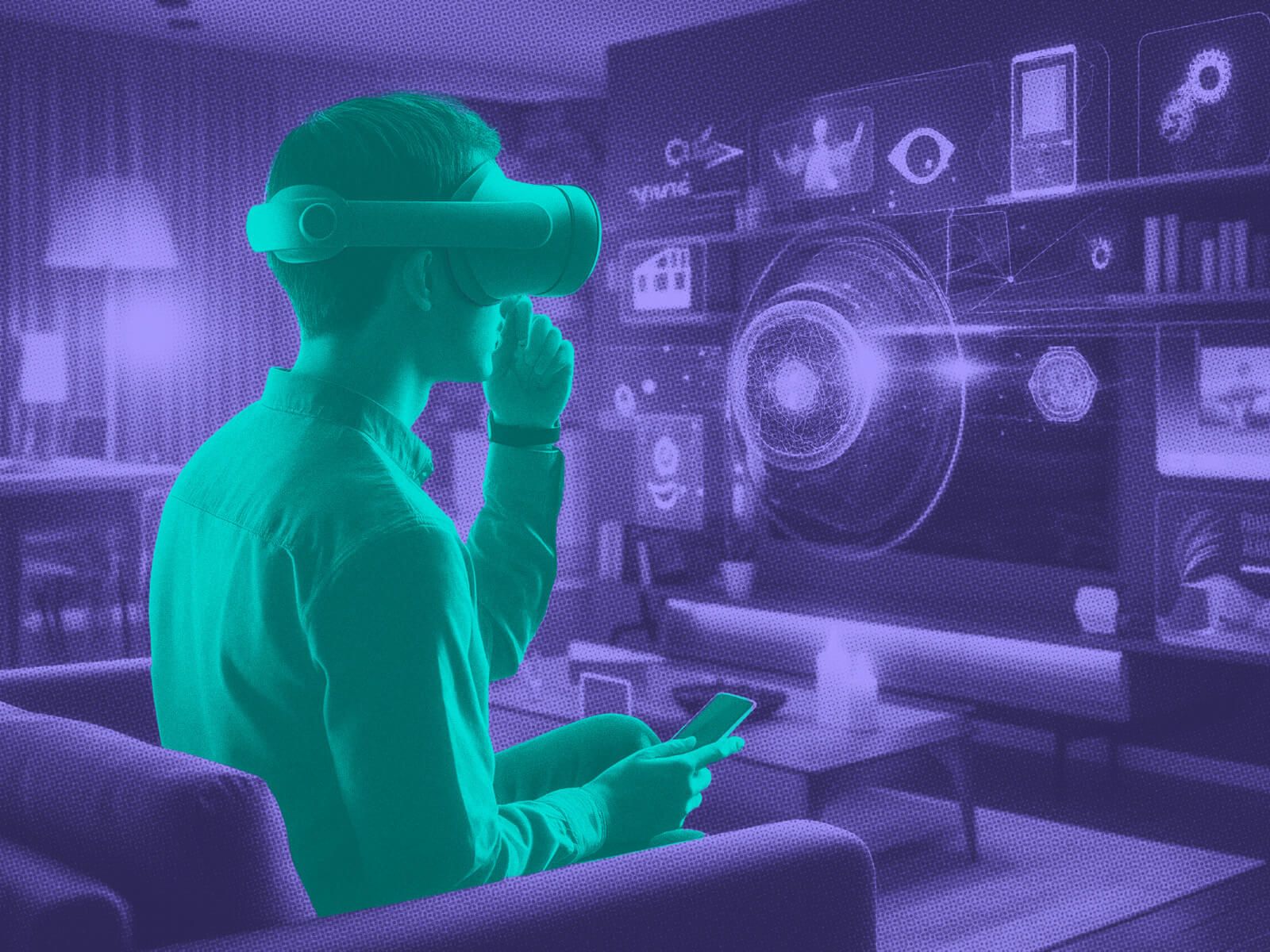
For example, MR headsets overlay 3D objects onto real environments. These objects remain stable even when users move. Therefore, digital content behaves like it exists in physical space.
Devices such as Apple Vision Pro demonstrate how spatial computing blends digital interfaces with real-world surroundings.
Why Spatial Computing Matters in XR and MR
Traditional digital systems operate within fixed screens. In contrast, XR and MR require full environmental awareness.
Spatial computing in XR and MR enables:
- Real-time environment mapping
- Accurate motion tracking
- Depth perception and object placement
- Natural gesture recognition
Because of this capability, immersive systems feel more intuitive and realistic. Consequently, user engagement increases.
Core Technologies Behind Spatial Computing
Spatial computing depends on multiple integrated technologies.
- Computer Vision
Computer vision systems analyze surroundings through cameras and sensors. They detect surfaces, edges, and movement patterns.
For instance, companies like Microsoft use advanced vision systems in MR devices to improve spatial accuracy.
- AI and Machine Learning
Artificial Intelligence processes spatial data in real time. It predicts movement and adapts digital elements dynamically.
As a result, immersive systems become smarter and more personalized.
- Advanced Semiconductor Processing
High-performance processors handle complex calculations instantly. Without fast computation, spatial alignment would lag.
Organizations such as Qualcomm develop XR-focused chipsets optimized for spatial workloads and low latency.
Enhancing User Interaction Through Spatial Awareness
Spatial computing transforms how users interact with digital content.
Instead of pressing buttons, users:
- Walk around 3D objects
- Resize holographic elements
- Interact using natural gestures
- Use voice commands for navigation
Therefore, digital experiences feel more immersive and less mechanical.
In addition, spatial computing reduces cognitive friction. When digital objects behave like physical ones, users adapt quickly.
Industry Impact of Spatial Computing
Spatial computing in XR and MR drives innovation across multiple industries.
Healthcare
Surgeons can visualize 3D anatomical models within real operating rooms.
Education
Students interact with virtual simulations layered over physical classrooms.
Manufacturing
Engineers view digital prototypes directly on production floors.
Retail
Customers explore products in realistic virtual showrooms integrated into their homes.
Across sectors, spatial computing bridges the gap between digital intelligence and physical interaction.
Challenges and Future Development
Although spatial computing offers transformative potential, it still faces technical challenges.
First, real-time environmental mapping requires significant processing power. Second, privacy concerns arise when devices continuously scan surroundings. Therefore, companies must balance innovation with ethical responsibility.
However, rapid advancements in AI optimization and chip efficiency continue to improve performance.
As hardware becomes lighter and more powerful, spatial computing will become mainstream. Consequently, XR and MR applications will expand into daily life.
The Future of XR and MR Powered by Spatial Computing
The next generation of immersive systems will rely heavily on spatial intelligence.
Future developments will include:
- Persistent digital objects anchored in real environments
- Context-aware adaptive interfaces
- Multi-user shared spatial experiences
- Seamless integration between physical and virtual workflows
Organizations that invest in spatial computing in XR and MR will lead immersive innovation.
At SelectronWave Technologies, we integrate spatial intelligence with user-centered design to build scalable and future-ready immersive solutions.
Conclusion
Spatial computing is not just an enhancement—it is the engine behind next-generation XR and MR systems.
By enabling real-time environmental awareness and natural interaction, spatial computing transforms immersive technology into practical, user-friendly solutions.
As the ecosystem evolves, businesses that embrace spatial computing will define the future of digital engagement.