
Spatial Computing in Everyday Life
Introduction
Many people ask what is extended reality and how it works in modern technology. Extended Reality, often called XR, is a group of immersive technologies that blend the physical world with digital content.
XR includes three main technologies: Augmented Reality, Virtual Reality, and Mixed Reality. These technologies allow users to interact with digital environments in new and engaging ways.
Today, companies use extended reality in gaming, education, healthcare, and industrial training. Because of its immersive capabilities, XR continues to transform how people interact with digital systems.
How Does Extended Reality Work?
To understand what is extended reality, it is important to know how the technology operates. XR systems combine hardware, software, and sensors to create interactive digital environments.
First, devices such as VR headsets or AR glasses display digital content to the user. Then sensors track movement and position. Finally, specialized software processes this data and updates the digital environment in real time.
As a result, users experience a seamless interaction between the physical and digital worlds.
Types of Extended Reality Technologies
Extended reality includes three main technologies. Each technology provides a different level of immersion.
Augmented Reality (AR)
Augmented Reality adds digital elements to the real world. For example, AR applications can display 3D models, navigation instructions, or product information on a smartphone screen.
Virtual Reality (VR)
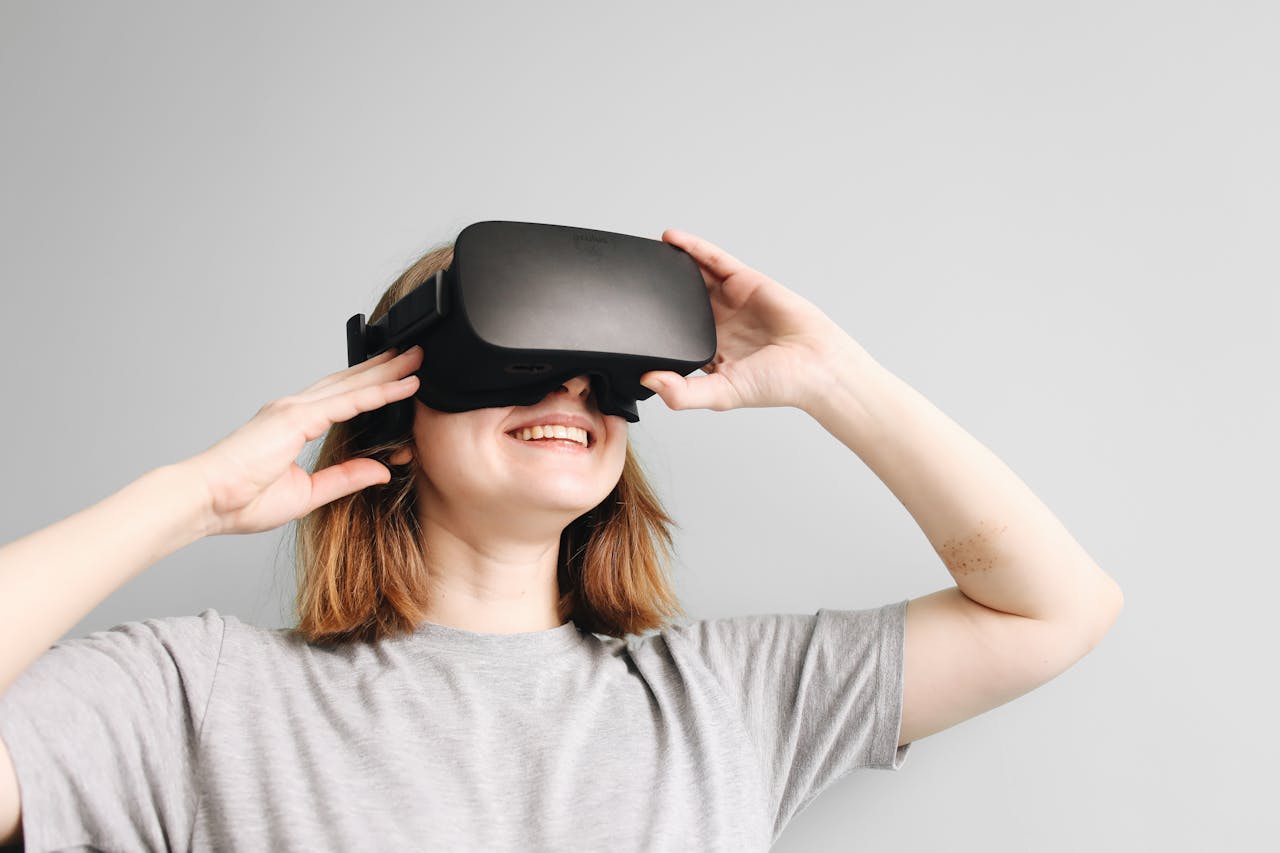
Virtual Reality creates a fully digital environment. Users wear VR headsets that block the physical world and replace it with a simulated environment. This technology is widely used in gaming and training simulations.
Mixed Reality (MR)
Mixed Reality combines elements of AR and VR. Digital objects interact with the real world in real time. As a result, users can see and interact with both physical and virtual elements simultaneously.
Applications of Extended Reality
Extended reality technology supports many modern industries.
For example, companies use XR for employee training and product simulations. Healthcare professionals also use XR for medical education and surgical planning.
In addition, retail companies use AR applications to help customers visualize products before purchasing them. Because of these advantages, XR technology continues to grow across multiple sectors.
Future of Extended Reality Technology
The future of XR technology looks very promising. As hardware becomes more advanced, extended reality devices will become more powerful and accessible.
Technologies such as artificial intelligence, 5G connectivity, and spatial computing will also enhance XR capabilities. Therefore, extended reality will play a major role in the next generation of digital experiences.
Conclusion
Understanding what is extended reality helps explain how immersive technologies are shaping modern digital interaction. XR combines augmented reality, virtual reality, and mixed reality to create interactive experiences.
Because of its wide range of applications, extended reality will continue to transform industries such as education, healthcare, entertainment, and manufacturing.