

XR and MR: The Next Generation of Immersive Experiences
Introduction
Extended Reality (XR) and Mixed Reality (MR) represent a major shift in how humans interact with digital technology. Moving beyond traditional screens, these immersive technologies blend the physical and virtual worlds to create experiences that are more interactive, intuitive, and impactful. As industries seek deeper engagement, better training methods, and smarter visualization tools, XR and MR are rapidly emerging as the foundation of next-generation digital experiences.
Understanding the Evolution of Immersive Technology
The journey toward immersive experiences began with basic computer graphics and evolved through Virtual Reality (VR) and Augmented Reality (AR). XR now serves as the umbrella term that unifies all immersive technologies, while MR stands at the most advanced end of this spectrum by enabling real-time interaction between physical and digital objects.
What Makes XR and MR the Next Generation?
- Natural and Intuitive Interaction
Unlike traditional interfaces such as keyboards or touchscreens, XR and MR rely on gestures, voice commands, eye tracking, and spatial awareness. This creates a more human-centered way of interacting with technology.
- Seamless Blend of Physical and Digital Worlds
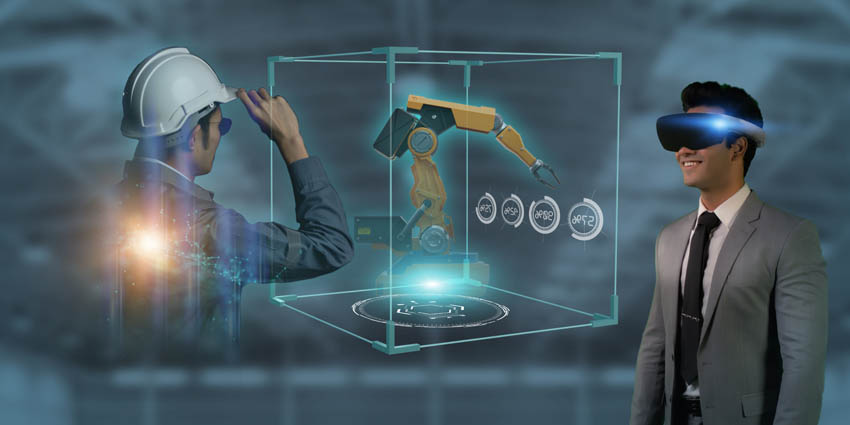
MR enables digital objects to exist within real-world environments and respond to physical conditions. Virtual elements can be placed on real surfaces, blocked by real objects, and manipulated as if they were physically present.
- Context-Aware Experiences
Using sensors, cameras, and spatial mapping, XR and MR systems understand the user’s surroundings. This context awareness allows for highly personalized and situational experiences
The Future of Immersive Experiences
The future of XR and MR lies in lighter hardware, wider connectivity through 5G, and deeper integration with artificial intelligence. As devices become more affordable and ecosystems mature, immersive experiences will become mainstream across work, education, entertainment, and commerce.
XR and MR are also expected to play a critical role in the evolution of remote work, smart environments, and the broader metaverse concept.
Conclusion
XR and MR are shaping the next generation of immersive experiences by redefining how digital content interacts with the real world. With their ability to create intuitive, context-aware, and highly engaging environments, these technologies go far beyond traditional interfaces. As adoption accelerates, XR and MR will become essential tools for innovation, productivity, and digital transformation.