
The Evolution of Digital Art in Virtual Reality
What is Digital Art in Virtual Reality?
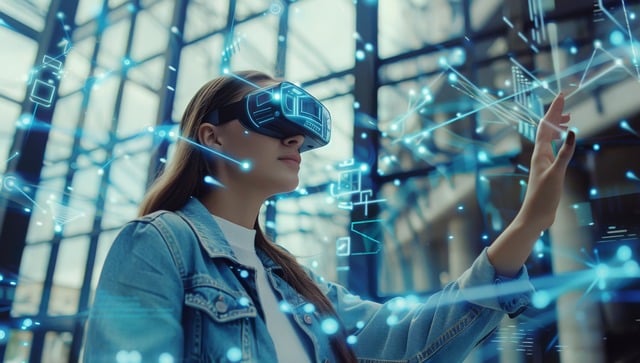
Digital art in virtual reality combines creativity with immersive technology. It allows artists to create and display artwork in a 3D virtual space.
In simple terms, artists can step inside their artwork. As a result, they can design in a more interactive way.
The Early Stage of Digital Art in Virtual Reality
At the beginning, digital art was limited to 2D screens. However, virtual reality introduced a new way to create art.
Artists started using VR tools to draw and paint in 3D. Because of this, creative possibilities expanded. Therefore, the art experience became more dynamic.
Growth of Virtual Reality Art
Over time, digital art in virtual reality improved rapidly. First, better hardware made VR more accessible. Next, software tools became easier to use.
Also, platforms allowed artists to share their work globally. As a result, the VR art community grew quickly.
Tools Used in Virtual Reality Art
Artists use different tools to create VR art. These tools help them design immersive experiences.
- 3D drawing applications
- VR headsets and controllers
- Motion tracking systems
- Real-time rendering software
Benefits of Digital Art in Virtual Reality
Digital art in virtual reality offers many advantages. First, it improves creativity. Next, it allows full immersion.
Also, artists can experiment without limits. Therefore, they can create unique experiences.
In addition, audiences can interact with artwork. As a result, engagement increases.
Challenges in Virtual Reality Art
There are some challenges to consider. First, VR equipment can be expensive. Next, learning the tools takes time.
Also, not all users have access to VR devices. However, technology is improving quickly. Therefore, adoption will increase.
Future of Digital Art in Virtual Reality
The future of digital art in virtual reality looks exciting. First, new tools will make creation easier. Next, more artists will adopt VR.
Also, VR art may become part of mainstream media. As a result, it will change how people experience creativity.
Conclusion
Digital art in virtual reality is transforming the creative world. It provides new ways to design and experience art.
In conclusion, this technology will continue to grow. Therefore, artists and businesses should explore its potential.