

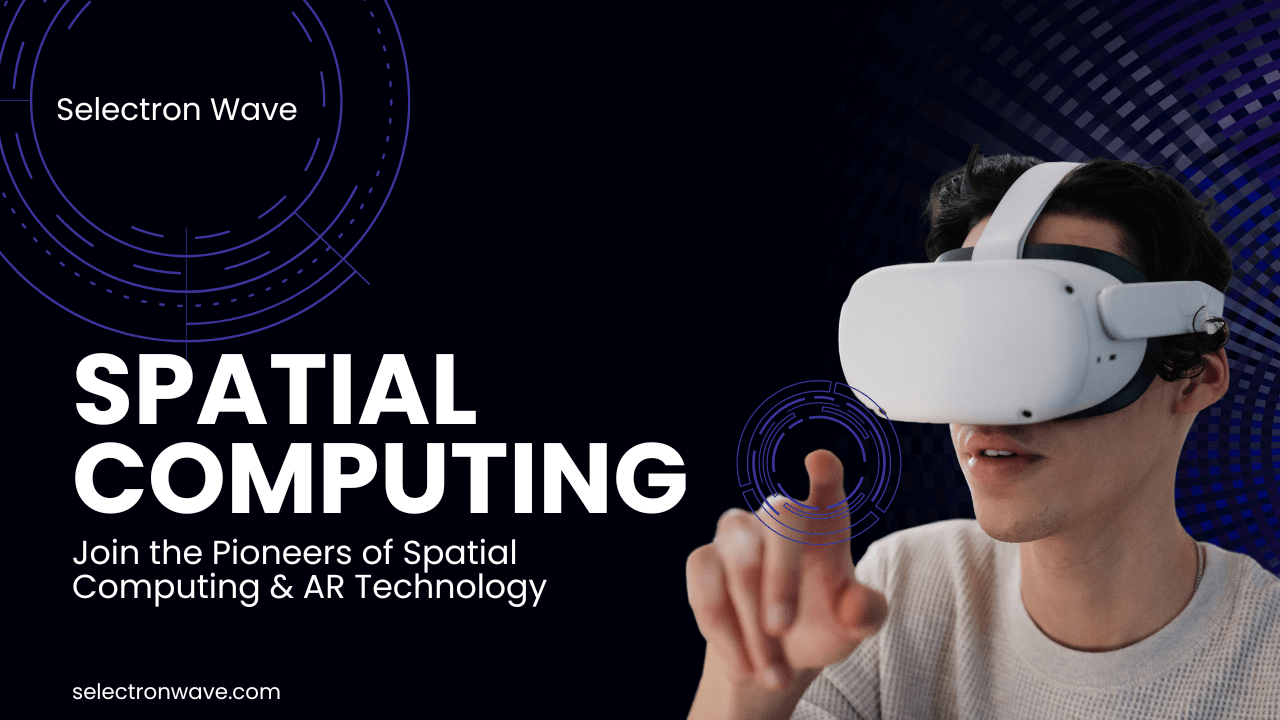
What is Spatial Computing?
What is Spatial Computing?
Spatial computing is a technology that blends the digital world with the physical world. It allows computers to understand space, objects, and movement.
In simple terms, it helps users interact with digital content in real space. As a result, the experience feels more natural and immersive.
How Spatial Computing Works
Spatial computing uses sensors, cameras, and software. First, the system scans the physical environment. Then, it maps objects and surfaces.
After that, digital elements are placed into the real world. Because of this, users can see and interact with virtual objects.
Therefore, the system creates a mixed environment.
Key Features of Spatial Computing
Real-World Interaction
Users can interact with digital objects in real space. This makes the experience more engaging.
Environment Awareness
The system understands surroundings. As a result, it places objects correctly.
3D Visualization
Digital content appears in three dimensions. Therefore, it looks more realistic.
Gesture Control
Users can control systems using hand movements. This improves usability.
Why Spatial Computing is Important
Spatial computing changes how people use technology. First, it improves user interaction. Next, it creates more immersive experiences.
Also, it reduces the gap between physical and digital worlds. As a result, users can work and learn more efficiently.
Applications of Spatial Computing
Spatial computing is used in many industries:
- Healthcare for medical training
- Education for interactive learning
- Retail for virtual shopping
- Gaming for immersive experiences
Benefits of Spatial Computing
Spatial computing offers many advantages. First, it improves understanding. Next, it increases engagement.
Also, it creates real-time interaction. Therefore, users get a better experience.
In addition, it supports innovation in many fields.
Challenges of Spatial Computing
There are some challenges to consider. First, the technology can be expensive. Next, it requires advanced hardware.
Also, adoption is still growing. However, improvements are happening quickly. Therefore, these challenges may reduce over time.
Future of Spatial Computing
The future of spatial computing looks strong. First, it may transform workplaces. Next, it can improve communication.
Also, it may combine with AI and AR technologies. As a result, users will experience smarter systems.
Conclusion
Spatial computing is shaping the future of digital interaction. It connects the real and virtual worlds.
In conclusion, it offers powerful opportunities for businesses and users. Therefore, learning this technology is important.