

Product Design at the Intersection of XR, AI, and Spatial Computing
Introduction
XR product design is evolving rapidly as immersive technologies become more intelligent and spatially aware. Instead of creating static digital interfaces, designers now build adaptive environments that respond to user behavior. By combining extended reality with artificial intelligence and spatial computing, organizations deliver interactive and user-centered experiences.
As industries move toward immersive ecosystems, product design strategies must also adapt. Therefore, integrating intelligence and spatial awareness into XR systems has become essential.
How XR Product Design Leverages AI and Spatial Computing
AI plays a critical role in improving personalization and automation. Machine learning algorithms analyze user behavior and adjust digital content in real time. As a result, immersive environments feel responsive and dynamic.
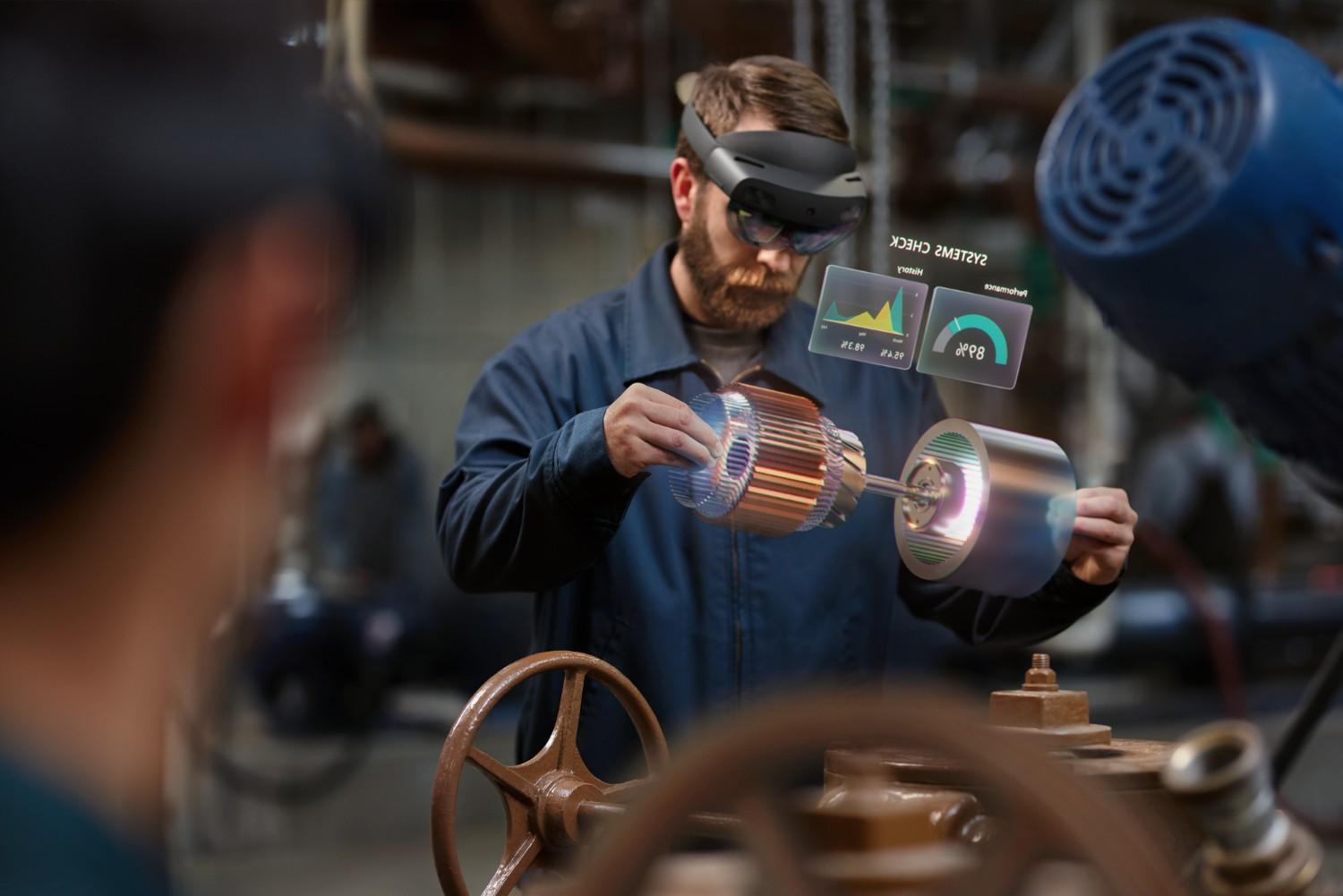
At the same time, spatial computing enables devices to understand physical surroundings. Solutions such as Microsoft HoloLens 2 use depth sensors and environment mapping to place digital objects accurately within real spaces.
When AI and spatial mapping work together, XR product design becomes more intuitive and precise.
Core Components of Intelligent XR Design
Modern immersive products rely on three major pillars.
- Human-Centered Interaction
Designers focus on gesture control, voice input, and natural movement to improve usability.
- Real-Time Development Platforms
Tools from Unity Technologies allow rapid prototyping and scalable immersive deployment.
- Data-Driven Optimization
AI-powered analytics track engagement and continuously refine user experience.
Together, these elements create scalable and intelligent XR systems.
Industry Applications of XR Product Design
XR product design impacts multiple sectors.
Healthcare
Surgeons use immersive simulations for training and planning complex procedures.
Manufacturing
Engineers visualize prototypes in 3D before physical production begins.
Education
Students engage with interactive learning modules in immersive classrooms.
Enterprise Collaboration
Remote teams interact inside shared digital workspaces.
Consequently, immersive product design improves efficiency and decision-making.
Benefits of Integrating AI and Spatial Computing
Moreover, combining XR with AI and spatial computing delivers measurable advantages:
- Enhanced personalization
- Accurate spatial interaction
- Reduced development iterations
- Improved user engagement
Because immersive environments adapt to real-world context, users experience more natural interaction.
Challenges in Designing Intelligent XR Products
However, certain challenges remain.
- High development complexity
- Hardware compatibility issues
- Performance optimization requirements
- Data privacy considerations
Even so, ongoing research and innovation continue to reduce these barriers.
The Future of XR Product Design
Looking ahead, XR product design will incorporate predictive AI models and lightweight wearable devices. As computing power increases and spatial mapping improves, immersive systems will become more seamless and accessible.
Therefore, organizations investing in intelligent and spatially aware product strategies today will lead the next generation of immersive innovation.
Conclusion
Product design at the intersection of XR, AI, and spatial computing represents the next evolution of digital innovation. By combining immersive environments, intelligent systems, and spatial awareness, organizations can create powerful, intuitive, and transformative experiences.
In this new era, great product design is not just about how something looks—it is about how it thinks, adapts, and interacts with the world around us.